
Table of Contents
In our screen-dominated world, receiving a handwritten note feels like discovering buried treasure.
The deliberate act of putting pen to paper creates something that no digital message can replicate—a tangible piece of personal connection that carries the sender’s time, intention, and authentic care.
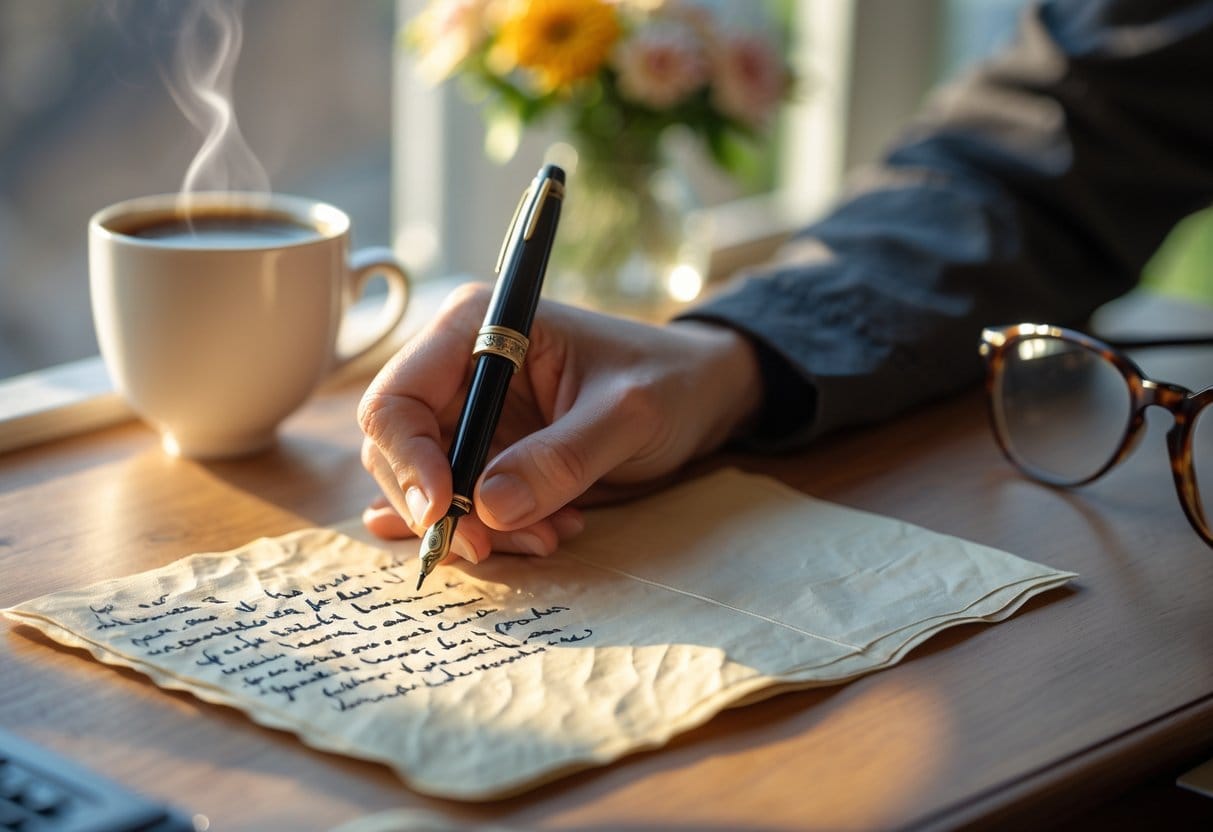
Handwritten notes possess a unique power to forge deeper emotional bonds and demonstrate genuine thoughtfulness in ways that typed messages simply cannot match.
When someone takes the time to write by hand, they signal that the recipient is worth their focused attention and physical effort.
This intentional gesture cuts through the noise of endless emails and texts to create meaningful impact.
The revival of handwritten correspondence offers you a powerful tool for building stronger relationships, whether personal or professional.
While digital communication prioritizes speed and efficiency, handwritten notes prioritize connection and authenticity—qualities that have become increasingly rare and therefore more valuable than ever.
Key Takeaways
- Handwritten notes create deeper emotional connections than digital messages through their personal and intentional nature
- The psychological benefits of giving and receiving handwritten notes strengthen relationships and boost well-being for both parties
- Incorporating handwritten notes into daily life and professional contexts provides a competitive advantage in building authentic connections
The Enduring Significance of Handwritten Notes
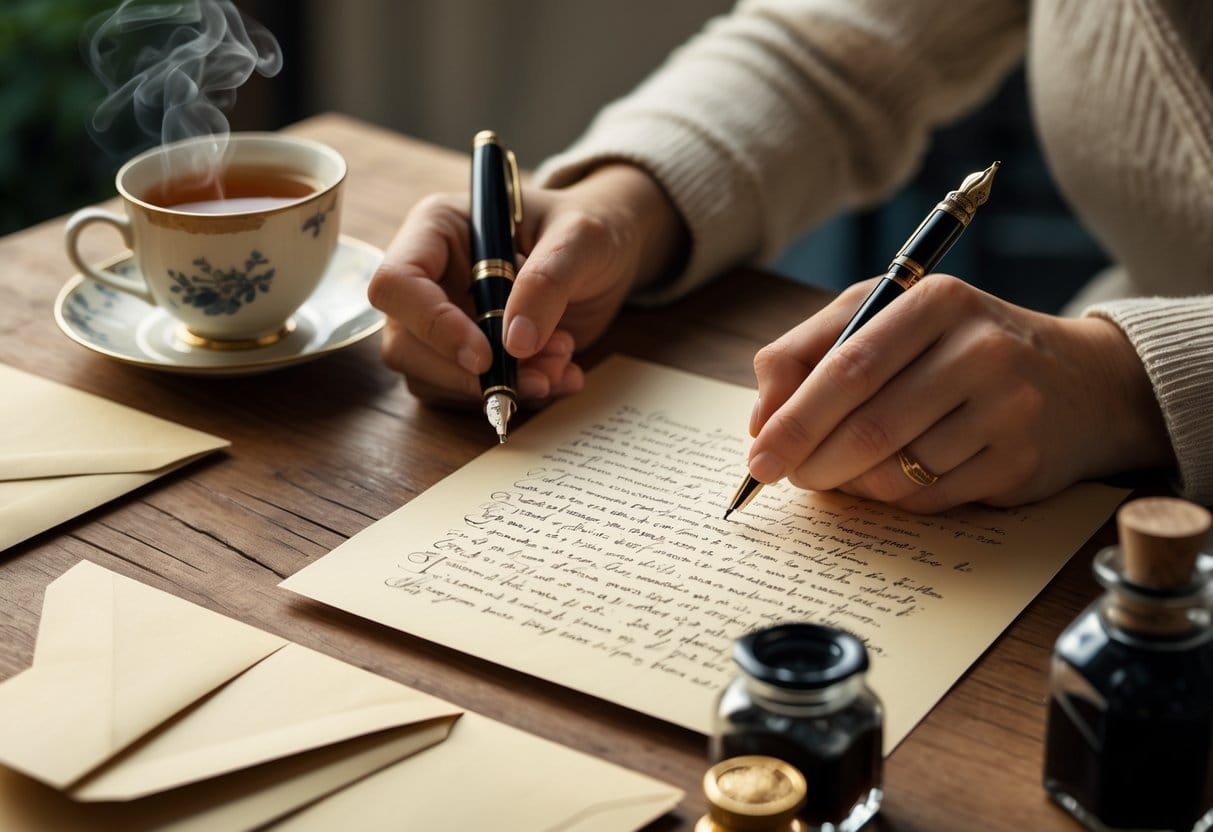
Handwritten notes create genuine connections through deliberate effort and physical presence that digital messages cannot replicate.
The tactile nature of pen on paper transforms simple communication into meaningful gestures that recipients value and preserve.
Why Handwritten Notes Still Matter
Time investment makes handwritten notes powerful.
When you write by hand, you dedicate focused attention to your recipient.
This deliberate process signals importance.
Your willingness to slow down communicates genuine care.
Personal authenticity emerges through handwriting.
Your unique script carries personality traits that typed text cannot convey.
Imperfections in handwriting add character.
Small mistakes and letter variations make each note distinctively yours.
Emotional weight increases with handwritten communication.
Recipients often save handwritten notes while deleting digital messages immediately.
The physical act of writing engages different brain pathways.
This process creates stronger memory formation and emotional connection.
Contrasting Digital and Handwritten Communication
| Digital Communication | Handwritten Communication |
|---|---|
| Instant delivery | Delayed, anticipated arrival |
| Easy to delete | Physically preserved |
| Uniform appearance | Unique personal style |
| Quick composition | Thoughtful creation process |
Speed versus intention defines the primary difference.
Digital messages prioritize efficiency over meaning.
Handwritten notes require planning.
You must choose paper, select a pen, and find uninterrupted time.
Permanence differs significantly between formats.
Digital messages disappear with device changes or account deletions.
Physical notes endure decades.
Many people treasure handwritten letters from family members long after they pass away.
Sensory engagement sets handwritten communication apart.
Recipients experience texture, weight, and visual uniqueness.
The Tangible and Lasting Impact
Physical presence creates lasting impressions.
A handwritten note occupies space in someone’s environment.
Recipients can touch, smell, and visually examine your message.
These sensory experiences strengthen memory formation.
Keepsake value emerges naturally with handwritten notes.
People frequently store meaningful handwritten letters in special places.
Digital messages rarely receive this treatment.
Physical notes become treasured possessions that recipients revisit repeatedly.
Relationship strengthening occurs through handwritten communication.
The effort required demonstrates relationship priority.
Business professionals report stronger client connections when using handwritten notes.
Personal relationships benefit similarly from this intentional communication method.
Surprise factor amplifies impact in our digital age.
Receiving handwritten mail creates novelty and excitement.
Handwritten notes stand out among bills and advertisements.
This distinction ensures your message receives full attention and appreciation.
Authenticity and the Power of Personal Touch
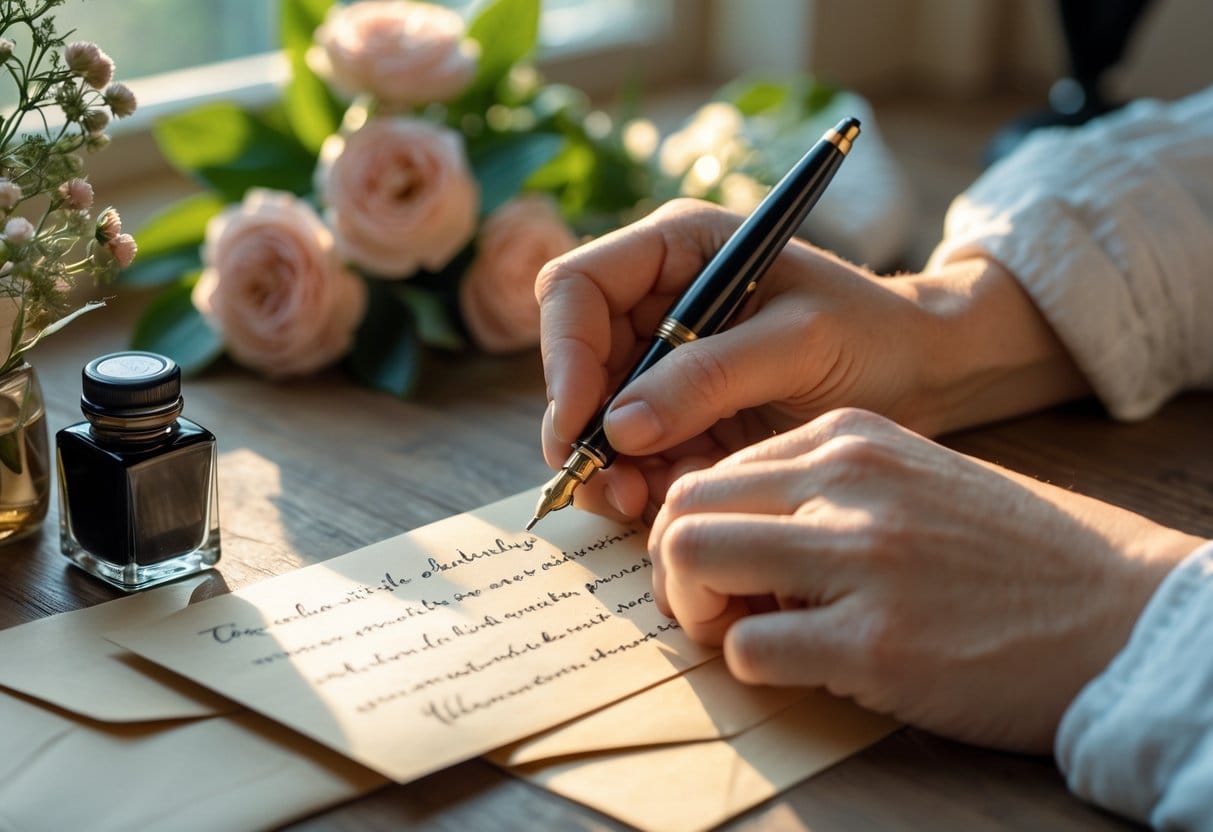
Handwritten notes create genuine connections through their inherent authenticity and deliberate personal investment.
They demonstrate sincerity, generate emotional responses, and establish trust in ways digital communication cannot replicate.
Demonstrating Sincerity Through Handwriting
Your handwriting serves as a unique signature of your personal investment.
When you choose to write by hand, you signal to the recipient that this message deserved your time and focused attention.
The physical effort required to form each letter creates an unmistakable demonstration of care.
Unlike typing, handwriting engages fine motor skills and deliberate mental processing.
Recipients immediately recognize this investment.
They understand that you could have sent a quick text or email but chose instead to engage in this more demanding process.
Handwritten elements that convey sincerity:
- Slight imperfections in letter formation
- Varied pressure and spacing
- Personal writing style and flourishes
- Time stamps of deliberate effort
Your handwriting contains subtle variations that no digital font can replicate.
These imperfections actually enhance rather than diminish the message’s authenticity.
Creating Emotional Resonance
Handwritten messages activate deeper emotional processing centers in both writer and reader.
The tactile experience of pen on paper creates neurological pathways that enhance memory formation and emotional connection.
Research shows that handwriting requires more complex brain activity than typing.
This increased mental engagement translates into messages that carry greater emotional weight.
The recipient experiences this emotional resonance through multiple sensory channels.
They feel the paper’s texture, observe ink variations, and process your unique letter formations.
Key emotional triggers in handwritten notes:
- Physical texture and weight of paper
- Visual variations in ink flow and pressure
- Unique characteristics of your writing style
- Tangible permanence of the message
Your handwritten words become physical objects that recipients can hold, revisit, and preserve.
This tangibility creates lasting emotional impressions that digital messages rarely achieve.
Building Trust Through Authentic Communication
Handwritten communication eliminates the digital barriers that often create distance in modern interactions.
Your personal touch becomes visible proof of genuine intention and authentic engagement.
Trust develops when recipients recognize your willingness to be vulnerable through imperfect handwriting.
Unlike polished digital text, handwriting reveals your human qualities.
The permanence of ink on paper demonstrates commitment to your words.
Recipients understand that handwritten messages cannot be easily edited, deleted, or mass-produced.
This authenticity builds stronger relationship foundations because it shows you value the connection enough to invest significant personal effort.
Your handwriting becomes a trust signal that distinguishes your communication from automated or casual digital interactions.
Reviving Genuine Connection in a Digital World

Handwritten notes create meaningful relationships through deliberate personal investment and tangible authenticity that digital messages cannot replicate.
They bridge age gaps by providing shared communication experiences and directly counter the isolation that constant screen-based interaction often produces.
Fostering Personal Connection
Handwritten notes require intentional effort that immediately signals value to recipients.
When you choose pen and paper over digital communication, you invest time and physical presence into your message.
The personal touch extends beyond convenience.
Your handwriting creates a unique identifier that recipients recognize instantly.
Each letter formation and spacing pattern reflects your individual characteristics.
Physical elements enhance connection:
- Paper texture and weight
- Ink color and pen choice
- Envelope selection
- Personal stationery design
Recipients experience tactile engagement when handling your note.
They feel the paper texture and see ink impressions that digital screens cannot reproduce.
Your handwritten message becomes a keepsake.
People save meaningful notes in ways they never preserve emails or text messages.
This permanence deepens the relationship bond.
The slower pace of handwriting forces thoughtful word selection.
You naturally craft more deliberate messages when erasure requires effort.
This intentionality shows through in your final communication.
Bridging Generational Divides
Older generations grew up with handwritten correspondence as standard communication.
When you send handwritten notes to parents or grandparents, you speak their preferred language.
Younger recipients often feel surprised and delighted by handwritten messages.
The novelty factor creates memorable experiences that strengthen intergenerational relationships.
Generational preferences align through handwritten notes:
- Traditionalists appreciate familiar communication methods
- Digital natives value the unique, non-digital experience
- Middle generations recognize both convenience and sentiment
Family letter exchanges create shared activities across age groups.
Grandparents teaching grandchildren cursive writing rebuilds skills while building relationships.
Handwritten notes preserve family communication styles.
Future generations can study ancestor handwriting and message patterns in ways digital communication cannot provide.
Combating Digital Isolation
Screen fatigue affects personal relationship quality.
Handwritten notes provide relief from constant digital stimulation while maintaining human connection.
Digital communication often feels impersonal and rushed.
Your handwritten message slows down interaction pace and increases emotional investment from both sender and receiver.
Handwritten notes address digital isolation by:
- Requiring physical presence and focus
- Eliminating notification distractions
- Creating anticipation through postal delivery
- Providing tangible connection reminders
The rarity of handwritten communication in current culture increases its impact significantly.
Recipients notice and remember handwritten messages among digital message floods.
Writing by hand activates different brain regions than typing.
This neurological engagement creates stronger memory formation and emotional connection to your message content.
The Psychological Benefits of Giving and Receiving Handwritten Notes

Research demonstrates that handwritten notes create measurable psychological benefits for both writers and recipients, including enhanced emotional well-being, increased gratitude, and stronger interpersonal connections.
These effects stem from the deliberate, personal nature of handwriting and its ability to activate deeper cognitive and emotional processing.
Enhancing Well-being and Happiness
Writing handwritten notes triggers positive emotional responses in your brain that digital communication cannot replicate.
The physical act of forming letters by hand engages your fine motor system and activates neural pathways linked to emotional processing.
Studies published in Psychological Science reveal that both senders and receivers of handwritten notes experience measurable increases in happiness levels.
When you write by hand, your brain releases endorphins associated with the creative process and personal expression.
Recipients experience amplified positive emotions when they receive a handwritten note compared to digital messages.
The tangible nature of paper and ink creates a lasting physical reminder of care and thoughtfulness.
Your brain processes handwritten communication differently than typed text.
This unique processing pathway enhances the emotional impact and creates stronger positive associations with the sender.
Promoting Gratitude and Reflection
Handwritten letters naturally encourage deeper reflection and gratitude practices.
When you slow down to write by hand, you engage in more thoughtful consideration of your words and emotions.
The deliberate pace of handwriting allows you to process feelings more thoroughly.
Research shows that expressing gratitude through handwritten notes amplifies the psychological benefits for writers compared to digital alternatives.
Key gratitude benefits include:
- Increased mindfulness during the writing process
- Enhanced emotional awareness and processing
- Stronger memory formation of positive experiences
- Greater appreciation for relationships and connections
You retain gratitude-related memories more effectively when you write them by hand.
This improved retention strengthens your overall sense of well-being and life satisfaction.
Reducing Stress and Strengthening Bonds
Handwritten notes serve as powerful stress-reduction tools while simultaneously deepening personal connections.
The meditative quality of handwriting can lower cortisol levels and promote relaxation.
When you receive a handwritten note, your stress response decreases as your brain interprets the gesture as genuine care and attention.
This biological response strengthens trust and emotional bonds between individuals.
The physical act of writing engages your parasympathetic nervous system, which promotes calm and reduces anxiety.
Regular handwriting practice can become an effective stress management technique.
Connection-strengthening effects include:
- Increased feelings of closeness between sender and recipient
- Enhanced trust and emotional intimacy
- Longer-lasting positive impressions
- Stronger relationship satisfaction
Your personal connection with others deepens when you invest time and effort into handwritten communication, creating bonds that persist beyond the initial exchange.
Practical Ways to Incorporate Handwritten Notes Into Daily Life

The shift from digital to handwritten communication requires intentional choices about when and how to put pen to paper.
Success depends on identifying meaningful opportunities, selecting appropriate materials, and establishing consistent practices.
Everyday Gestures and Occasions
Thank you notes create lasting impressions after job interviews, dinner parties, or receiving gifts. Write them within 48 hours while details remain fresh.
Birthday and holiday cards stand out in mailboxes filled with bills and advertisements. Personal messages trump printed sentiments every time.
Workplace appreciation through handwritten notes builds stronger professional relationships. Leave brief notes for colleagues who helped with projects or supported your work.
Condolence messages carry more weight when handwritten. Your physical effort demonstrates genuine care during difficult times.
Daily communication with family members creates connection points. Leave lunch notes for children or brief messages for spouses.
Meeting follow-ups via handwritten notes show professionalism and attention to detail. Summarize key points and next steps on quality stationery.
Choosing the Right Materials
Paper quality affects both writing experience and recipient perception. Choose 20-24 lb paper weight for professional correspondence and lighter options for casual notes.
| Purpose | Paper Type | Pen Recommendation |
|---|---|---|
| Professional | Cotton blend stationery | Black or blue gel pen |
| Personal | Quality cardstock | Fountain or rollerball pen |
| Quick notes | Standard notepad | Ballpoint pen |
Pen selection impacts handwriting flow and appearance. Gel pens provide smooth writing without bleeding through most papers.
Storage solutions keep materials accessible. Designate a specific drawer or box for notecards, stamps, and writing instruments.
Pre-addressed supplies eliminate barriers to writing. Keep stamped envelopes ready for common recipients.
Making Note Writing a Habit
Schedule writing time into your weekly routine. Sunday afternoons work well for catching up on personal correspondence.
Set quantity goals rather than perfection standards. Commit to writing three handwritten notes per week initially.
Create templates for common situations. Develop standard phrases for thank you notes, congratulations, and sympathy messages.
Track your efforts using a simple log. Record who you wrote to and when, preventing missed opportunities or duplicate efforts.
Start small with brief messages. Two-sentence notes prove more effective than elaborate letters you never send.
Keep supplies visible on your desk or kitchen counter. Accessibility increases the likelihood of actually using your handwriting materials.
Handwritten Notes in Professional and Leadership Contexts
Leaders who embrace handwritten communication create deeper workplace connections and demonstrate intentional care for their teams.
This personal touch builds stronger professional relationships while fostering recognition-based cultures that drive engagement.
Enhancing Workplace Relationships
Handwritten notes transform standard workplace interactions into meaningful connections. When you write a personal message to a colleague, you demonstrate deliberate thought and investment in the relationship.
Your handwritten communication stands out in digital-heavy environments. Recipients notice the time and effort required to craft physical notes, creating stronger emotional bonds than electronic messages.
Key relationship benefits include:
- Increased trust through personal attention
- Enhanced communication authenticity
- Stronger colleague loyalty and respect
- Improved collaboration willingness
Leaders who regularly send handwritten letters to team members report deeper professional relationships. Your colleagues perceive these gestures as genuine care rather than routine communication.
The physical nature of handwritten notes creates lasting impact. Recipients often keep meaningful messages, referring back to your words during challenging periods.
Showing Appreciation and Recognition
Handwritten recognition carries more weight than digital alternatives. When you acknowledge achievements through personal notes, employees feel truly valued for their contributions.
Your handwritten appreciation messages become tangible reminders of success. Unlike emails that get deleted, physical notes often find permanent places on desks or bulletin boards.
Effective recognition strategies:
- Specific achievement acknowledgment
- Personal impact statements
- Future potential mentions
- Gratitude for effort and results
Research shows that personalized recognition increases employee engagement significantly. Your handwritten notes demonstrate that accomplishments deserve more than quick electronic responses.
The personal touch of handwritten letters makes recognition feel authentic. Employees distinguish between automated appreciation systems and leaders who invest time in individual acknowledgment.
Boosting Team Culture
Handwritten communication shapes workplace culture through consistent personal engagement. Your notes signal that relationships matter more than efficiency alone.
Teams receiving regular handwritten messages develop stronger cohesion. The shared experience of receiving personal attention from leadership creates cultural unity.
Cultural impact areas:
| Element | Handwritten Effect |
|---|---|
| Trust | Higher through personal investment |
| Communication | More open and authentic |
| Morale | Elevated through recognition |
| Retention | Improved via connection |
Your handwritten notes establish cultural norms around appreciation and connection. Team members begin adopting similar practices, creating organization-wide relationship improvements.
The rarity of handwritten letters in modern workplaces amplifies their cultural impact. Your commitment to personal communication becomes a defining leadership characteristic that influences team behavior.
Tips for Writing Meaningful and Impactful Handwritten Notes
Crafting effective handwritten notes requires deliberate attention to genuine expression, acceptance of natural writing imperfections, and thoughtful message selection.
These elements work together to create authentic connections that resonate with recipients.
Expressing Authentic Sentiment
Your handwriting naturally conveys personality and emotions that digital text cannot replicate. Focus on writing from a genuine place rather than using formal or scripted language.
Key principles for authentic expression:
- Use your natural voice and vocabulary
- Reference specific details about shared experiences or conversations
- Express gratitude for particular actions rather than general appreciation
- Share personal thoughts or feelings that prompted you to write
Avoid generic phrases like “thinking of you” without context. Instead, write “I remember your story about the hiking trip and wanted to check how your ankle is healing.”
Your authentic sentiment shows through word choice and tone. Write as if you were speaking directly to the person in a comfortable setting.
The time you invest in choosing meaningful words demonstrates care. Recipients can sense when messages come from genuine feelings versus obligation.
Embracing Imperfections
Handwriting imperfections add character and authenticity to your notes. These natural variations make your message uniquely personal and human.
Common imperfections to accept:
- Slight letter inconsistencies
- Minor spacing irregularities
- Natural ink flow variations
- Small spelling corrections
Crossed-out words or minor corrections show the human element behind your message. These marks prove you wrote the note specifically for that person rather than using a template.
Your individual handwriting style becomes part of the message itself. Recipients often recognize handwriting from people they know, creating an immediate personal connection.
Avoid rewriting entire notes due to small mistakes. The recipient values your effort and time more than perfect penmanship.
Focus on legibility rather than perfection. Clear, readable writing shows respect for the recipient while maintaining personal character.
Examples of Inspiring Messages
Effective handwritten notes combine specific details with heartfelt expression. These examples demonstrate various occasions and approaches for meaningful messages.
Appreciation note:
“Thank you for covering my presentation Tuesday. Your insights about the quarterly numbers really strengthened the proposal. I owe you lunch at that Italian place you mentioned.”
Encouragement message:
“Saw your art exhibition announcement online. Remember when you showed me those first sketches last year? Your dedication to this dream inspires me. Can’t wait to attend the opening.”
Sympathy note:
“Thinking of you during this difficult time. Your mother’s kindness to our family meant so much over the years. Please let me know if you need anything practical in the coming weeks.”
Each example includes specific references, personal observations, and clear expressions of care or support. These details transform simple notes into memorable gestures that strengthen relationships.
The Lasting Influence: Why Reviving Handwritten Notes Matters Today
Handwritten notes create tangible keepsakes that preserve meaningful connections across time. They also foster genuine acts of kindness that strengthen relationships and build more authentic communities.
Preserving Memories and Keepsakes
Unlike digital messages that disappear into overflowing inboxes, handwritten notes become physical keepsakes that people treasure for years. You create something tangible when you write by hand.
Your handwritten notes often find their way into memory boxes, smile folders, and keepsake collections. People save love letters from partners, encouraging notes from parents, and heartfelt messages from friends as lasting memories.
The personal touch of your handwriting makes each note unique. Your pen strokes, writing style, and choice of paper create a physical connection to you that cannot be replicated digitally.
These keepsakes serve multiple purposes:
- They provide comfort during difficult times
- They remind recipients of your care and attention
- They create family heirlooms passed down through generations
Research shows that people keep handwritten notes significantly longer than digital messages. Your effort to write by hand signals importance and care that recipients recognize and value.
Inspiring a Culture of Kindness
Handwritten notes naturally encourage more thoughtful communication. When you take time to write by hand, you slow down and consider your words more carefully than when typing quickly.
Your handwritten messages inspire recipients to respond with similar authenticity. This creates a positive cycle where genuine connection replaces rushed digital exchanges.
The effort required to write by hand demonstrates intentionality. You must find paper, choose a pen, and dedicate focused time to the task. This investment communicates respect and care to your recipient.
Handwritten notes particularly impact professional relationships. Your thank-you notes, congratulations messages, and personal acknowledgments stand out in business environments dominated by email and text messages.
The practice spreads naturally. When you send handwritten notes regularly, you inspire others to adopt the same practice. This creates ripple effects that strengthen entire communities and social networks.
Frequently Asked Questions
Handwritten notes create deeper emotional connections through their physical presence and demonstrate intentional care. They enhance cognitive processing, improve memory retention, and provide opportunities for mindfulness while strengthening both personal and professional relationships.
What are the emotional benefits of receiving a handwritten note?
Receiving a handwritten note creates a tangible emotional connection that digital messages cannot replicate. The physical letter offers a piece of the sender that you can hold and revisit.
Handwritten notes demonstrate intentional thought and effort. This deliberate act conveys that you are valued and worthy of the writer’s time.
The personal nature of handwriting creates lasting emotional bonds. Each note becomes a keepsake that preserves moments and memories in a way that digital communications rarely achieve.
How can handwritten notes enhance personal and professional relationships?
Handwritten notes make you memorable in professional settings. They keep you top-of-mind with colleagues, clients, and potential employers through their unique impact.
In recruitment and business contexts, handwritten notes serve as powerful relationship-building tools. They create authentic connections that distinguish you from others who rely solely on digital communication.
Personal relationships benefit from the thoughtfulness that handwritten notes represent. The time and care invested in writing by hand strengthens bonds between friends and family members.
What are the cognitive effects of writing notes by hand versus typing them?
Writing by hand engages your brain differently than typing. The physical act creates stronger neural pathways and enhances memory formation.
The physicality of pen and paper provides sensory connections to the material. This tactile experience facilitates greater recall and information retrieval compared to digital input.
Handwritten notes support spaced repetition when reviewed later. This process reinforces learning and enhances long-term retention and comprehension of the content.
In what situations is sending a handwritten note particularly impactful?
Thank you notes after job interviews create lasting impressions on hiring managers. This practice helps differentiate you from other candidates in competitive situations.
Expressing gratitude through handwritten notes carries more weight than digital alternatives. The physical effort demonstrates genuine appreciation for others’ actions or gifts.
During significant life events or transitions, handwritten notes provide comfort and connection. They offer lasting mementos that recipients can treasure during meaningful moments.
How does the practice of writing handwritten notes contribute to mindfulness and presence?
The deliberate pace of handwriting requires focused attention and presence. Unlike rapid digital communication, writing by hand demands mindful engagement with each word.
Crafting handwritten notes creates opportunities for reflection and intentional thought. The process slows down communication and encourages deeper consideration of your message.
The tactile experience of pen on paper grounds you in the present moment. This physical connection promotes awareness and reduces the distractions common in digital environments.
What tips can be provided for crafting a meaningful and memorable handwritten note?
Choose quality paper and writing instruments that reflect the importance of your message. The materials you select communicate your level of care and attention.
Keep your message concise but specific to the recipient. Personal details and shared experiences make your note more meaningful.
Write legibly and take time with your penmanship. Clear, careful writing shows respect for the recipient and ensures your message is easily understood.
Ready to reconnect with the power of a handwritten note and build genuine human connection?
Explore these resources:
- Love Letters: An Anthology of Passion compiled by Michelle Lovric;
- The Art of Loving by Erich Fromm;
- Alone Together: Why We Expect More from Technology and Less from Each Other by Sherry Turkle