Table of Contents
Feeling anxious has become a normal part of daily life, but it doesn’t have to control your mind or your actions.
Simple, practical strategies can help you calm your thoughts, regain control, and create a more peaceful mindset even during stressful times.
By learning specific techniques, you can build resilience against anxiety and manage your reactions more effectively.
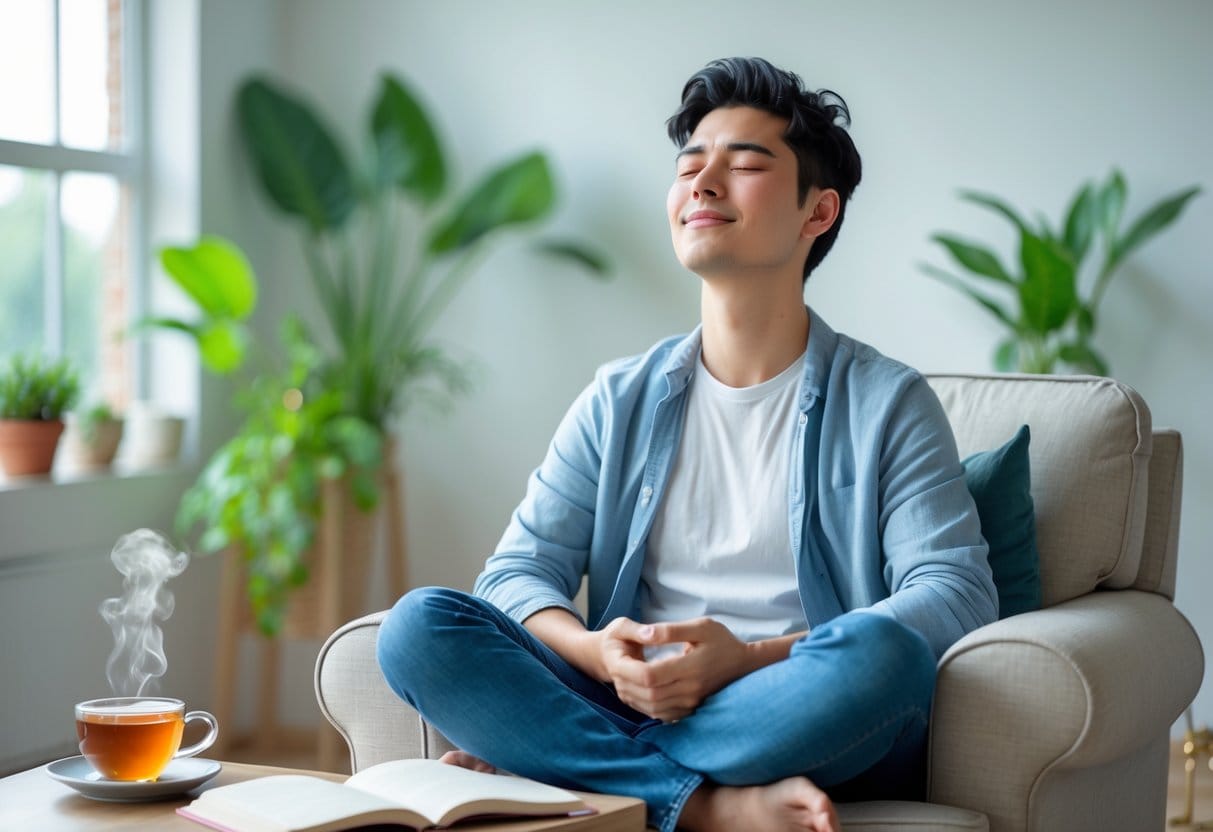
Understanding what triggers your anxiety and the patterns it follows is the first step in taming it.
Skills like mindful breathing, relaxation exercises, and lifestyle adjustments can support lasting change and greater calm.
When you know what works for you, managing anxiety becomes much more possible and less overwhelming.
Key Takeaways
- Recognize anxiety triggers and emotional patterns.
- Use practical mindfulness and relaxation methods for relief.
- Build habits that support a steady and resilient mind.
Understanding Anxiety and Its Impact
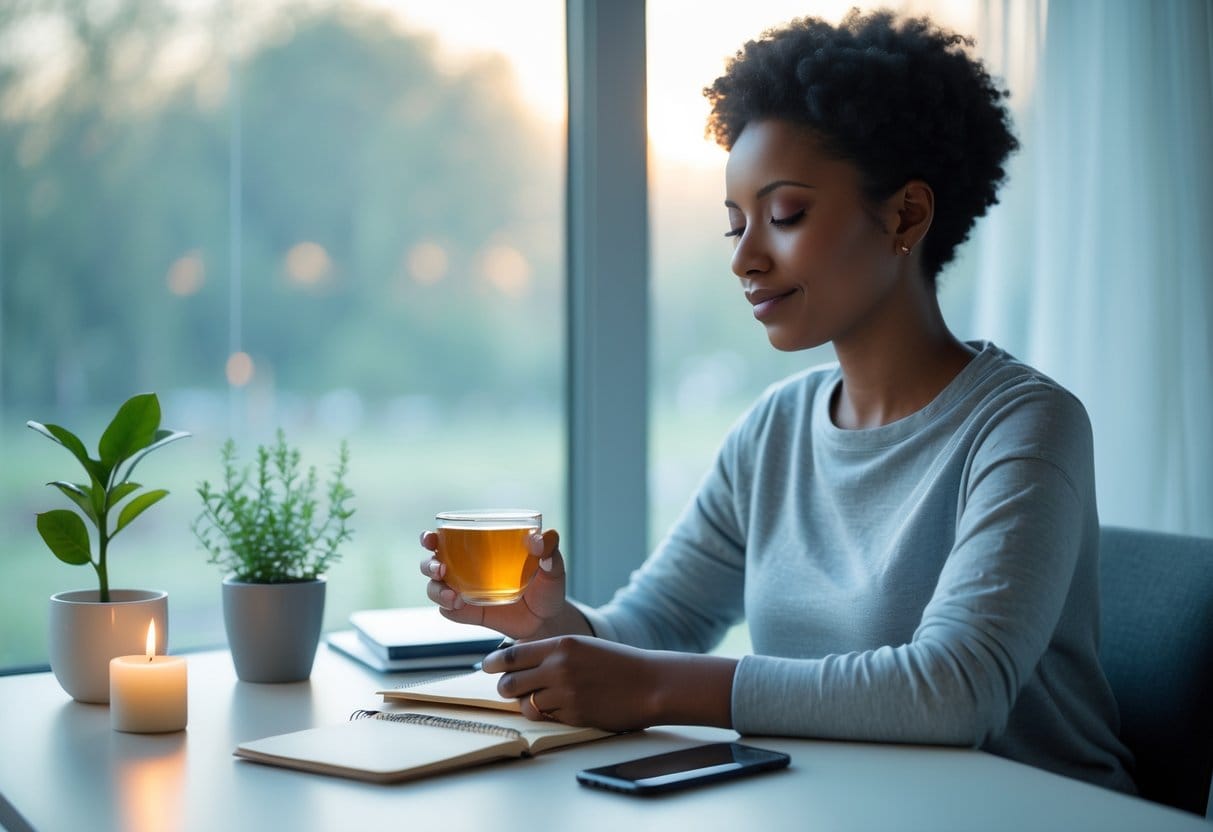
Anxiety affects your emotions, behaviors, and daily routines in more ways than you might notice at first.
By recognizing its forms and triggers, you can better manage both your mind and overall mental health.
Defining Anxiety and Related Emotions
Anxiety is a natural human response to perceived threats or uncertainty.
It can present as worry, tension, or unease.
This feeling differs from everyday stress, which tends to have recognizable sources and usually resolves when situations change.
Fear, anger, and depression often overlap with anxiety but remain distinct.
Fear is an immediate reaction to danger.
Anger can surface when frustrations mount, and depression involves persistent sadness and loss of interest.
Each of these emotions can coexist with anxiety or make its symptoms more pronounced.
Understanding these differences is key.
It helps you identify what you are experiencing so you can seek targeted coping strategies or professional support.
How Anxiety Manifests in Daily Life
Anxiety can show up in both physical and mental ways.
Physical symptoms might include:
- Rapid heartbeat
- Muscle tension
- Sweating
- Shortness of breath
Mentally, anxiety leads to restlessness, difficulty concentrating, or persistent worry about daily situations.
Common scenarios—social gatherings, work deadlines, or unexpected changes—can become especially challenging.
Sometimes you may find yourself avoiding certain activities or places.
This avoidance can limit your opportunities and interfere with relationships and responsibilities.
Patterns like these reinforce anxiety, making it harder to break the cycle without support or new coping skills.
The Connection Between Anxiety, Stress, and Mental Health
Anxiety and stress are closely linked, but not identical.
Stress is a response to specific external pressures, while anxiety often lingers even when a clear cause is absent.
Both can have significant effects on your mental health.
Chronic anxiety can contribute to depression, disrupt sleep, and reduce your quality of life.
Increased levels of stress can worsen anxiety symptoms, creating a feedback loop that impacts your emotional well-being.
Identifying Triggers and Patterns

Understanding what sets off your anxiety is one of the first steps to managing it effectively.
By learning to spot common triggers and your own unique patterns, you can use targeted self-help strategies and respond before anxiety escalates.
Common Anxiety Triggers
Anxiety triggers are specific situations, people, thoughts, or environments that lead to anxious feelings.
Common triggers include:
- Work-related pressure or deadlines
- Social situations and public speaking
- Health concerns
- Financial worries
- Major life changes (moving, relationships, loss)
- Environmental stressors such as noise, clutter, or crowded places
Physical triggers, like caffeine, lack of sleep, and hunger, can worsen anxiety.
Some people are sensitive to certain media or news stories, which can also set off anxious feelings.
Familiarizing yourself with these triggers can help you predict when anxiety may occur.
Not everyone reacts the same way.
Your triggers may differ based on personal history, current stressors, or underlying health conditions.
Recognizing Personal Patterns
Identifying your personal patterns involves tracking when and where your anxiety surfaces.
Keeping a daily journal or using a mood-tracking app can make invisible patterns visible.
Record:
- What you were doing
- Who was around
- How you felt physically and emotionally
- Any thoughts that went through your mind
Look for recurring situations that cause distress.
Sometimes triggers are subtle, such as a certain time of day, particular sounds, or even specific conversations.
It helps to notice trends over weeks instead of days.
Patterns may relate to your routine, health habits, or relationships.
With clear records, you can make more informed choices about how to manage anxiety in your daily life.
Self-Awareness for Early Intervention
Self-awareness lets you detect anxiety early, making it easier to respond with effective self-help tools.
Mindfulness practices can sharpen your awareness by directing attention to your thoughts, feelings, and body signals without judgment.
Breathing changes, muscle tension, or restlessness are often early signs.
When you notice them, try techniques such as:
- Deep breathing
- Grounding exercises (e.g., focusing on your senses)
- Taking a break from the trigger
Early intervention can reduce the intensity of anxiety.
The more familiar you become with your responses, the quicker you can act to prevent escalation.
Building Mindfulness and Awareness

To manage anxiety effectively, you need tools that can be practiced both in quiet moments and throughout your daily life.
Mindfulness, practical meditation, and improving self-esteem all play a direct role in reducing anxious reactions and making your responses more intentional.
Mindfulness Meditation Techniques
Mindfulness meditation involves focusing your attention on the present moment, using practices like breathing exercises, body scans, or guided visualizations.
Start with a simple breathing meditation:
- Sit comfortably and close your eyes.
- Inhale slowly through your nose for a count of four, then exhale gently for a count of six.
- If your mind drifts, redirect your focus back to your breath without judgment.
Body scans are also effective.
Bring your attention to each area of your body in sequence, relaxing tense muscles as you notice them.
Even brief sessions of 5-10 minutes can help interrupt the stress cycle and give you space to respond rather than react.
Over time, you may notice less physical tension and fewer intrusive worries.
Incorporating Mindfulness in Daily Activities
Mindfulness does not have to be limited to formal meditation.
Everyday tasks, such as walking or eating, can become opportunities for practice.
Try to fully notice the sensory details of your routine—sound, taste, touch, and smell.
For example, when washing dishes, feel the warmth of the water and observe the movement of your hands.
If you are eating, focus on each bite, tasting and chewing slowly.
Use reminders like phone alarms or sticky notes to prompt mindful awareness throughout your day.
Bringing your attention back to the present moment can reduce the buildup of anxious thoughts before they spiral.
The Role of Self-Esteem in Anxiety Management
Low self-esteem often contributes to persistent anxiety, as negative thinking patterns may become automatic in stressful situations.
Improving self-esteem can help you break this cycle.
Build self-esteem by acknowledging your strengths and achievements.
Keep a daily list of small successes, no matter how minor.
Challenge critical self-talk by asking whether your negative thoughts are based on facts or assumptions.
Supportive social connections are also important.
Share your experiences with trusted friends or join support groups to reinforce acceptance and understanding.
As your self-esteem improves, you may find it easier to manage anxiety with confidence and resilience.
Practical Relaxation and Breathing Strategies
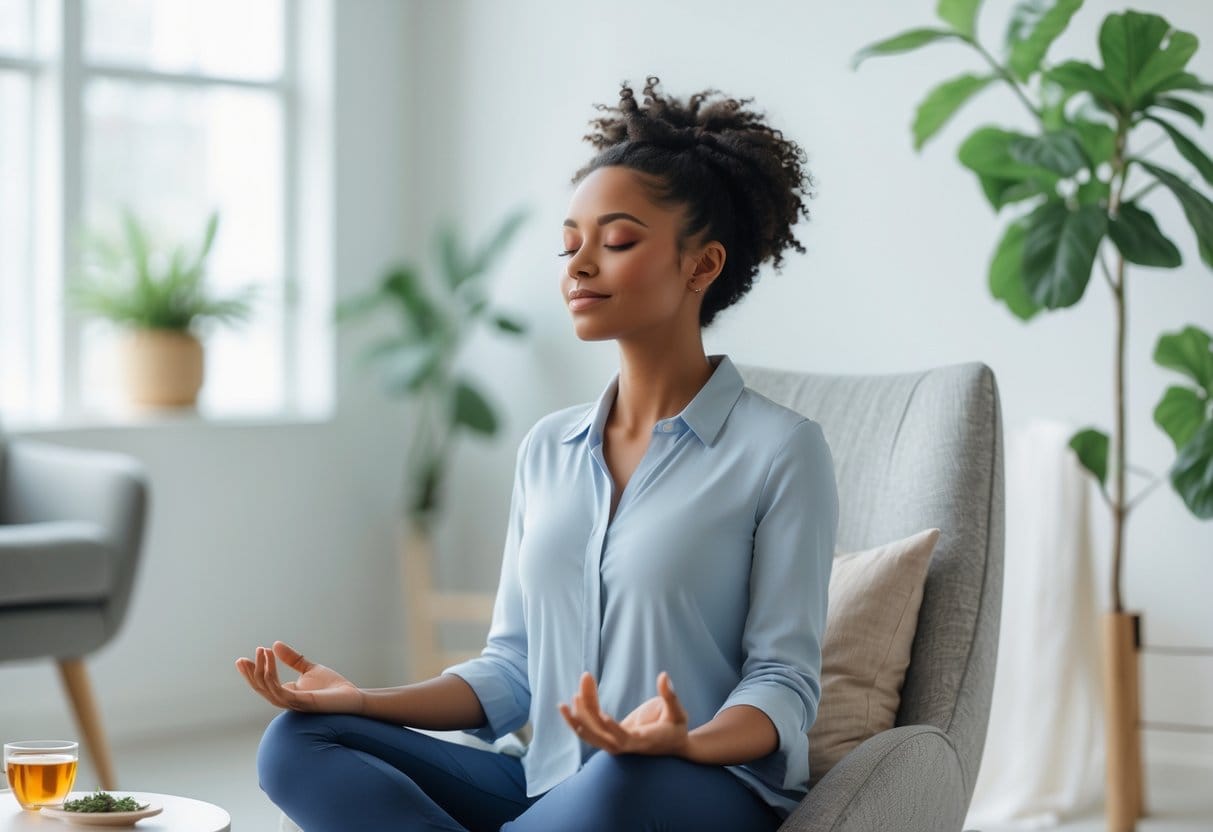
Managing anxiety often involves building a toolkit of reliable techniques.
Focused breathing and relaxation exercises can lower your heart rate, ease muscle tension, and bring a sense of mental clarity.
Deep Breathing Techniques
Deep breathing is a straightforward way to activate your body’s relaxation response.
Inhale through your nose, allowing your stomach to expand, then exhale slowly through your mouth.
Try the 4-7-8 method:
- Inhale for 4 seconds
- Hold your breath for 7 seconds
- Exhale for 8 seconds
This pattern slows your breathing rate and can calm anxiety quickly.
Deep breathing helps lower your blood pressure and can be repeated several times a day, especially when you feel overwhelmed.
Progressive Muscle Relaxation
Progressive muscle relaxation (PMR) involves intentionally tensing and relaxing each muscle group.
Start with your toes, tense for a few seconds, then release.
Work your way up to your forehead, moving through each major muscle area.
A typical PMR session might look like:
- Feet and legs
- Abdomen and back
- Arms and hands
- Shoulders, neck, face
Focus on the contrast between tension and relaxation.
This method reduces physical stress signals and can be especially useful before bed or during high-stress moments.
Diaphragmatic Breathing for Calmer Minds
Diaphragmatic breathing, or belly breathing, activates your diaphragm rather than your chest muscles.
Place one hand on your chest and the other on your abdomen.
As you breathe in, your abdomen should rise more than your chest.
Breathing this way increases oxygen intake and can signal to your nervous system that it is safe to relax.
Use this technique while sitting or lying down, making each breath slow and controlled.
Practicing consistently can make it easier to manage anxiety in daily life.
Therapeutic Interventions for Lasting Change

Coping with anxiety often requires more than just quick fixes.
Evidence-based therapies can help you manage symptoms long-term by changing patterns of thinking and behavior.
Cognitive Behavioral Therapy Fundamentals
Cognitive behavioral therapy (CBT) is one of the most widely used approaches for anxiety.
It combines cognitive and behavioral strategies to help you identify and challenge unhelpful thoughts while practicing healthier behaviors.
CBT focuses on the connection between your thoughts, feelings, and actions.
By working with a therapist, you’ll learn to recognize automatic negative thoughts that contribute to anxiety.
Through structured sessions, you practice new coping mechanisms to manage stressors.
Common techniques include monitoring thought patterns, reframing irrational beliefs, and using problem-solving strategies.
Many people find that CBT not only reduces anxiety symptoms but also builds long-lasting skills for future challenges.
Cognitive Therapy Methods
Cognitive therapy specifically targets the way your thoughts drive your emotional responses.
The emphasis is on identifying distorted thinking styles such as catastrophizing, overgeneralization, or black-and-white thinking.
In cognitive therapy, you might use tools like thought records to track and analyze anxious thoughts.
This process helps you challenge the evidence behind these thoughts and replace them with more balanced, realistic perspectives.
Your therapist may guide you in developing healthier self-talk and exploring alternative explanations for stressful situations.
Over time, shifting your thinking patterns can lead to decreased anxiety and improved emotional regulation.
Exposure Therapy for Reducing Anxiety
Exposure therapy is designed to help you gradually confront situations or triggers that cause anxiety.
The process involves systematic, repeated exposure to feared objects, places, or experiences in a controlled and safe manner.
Exposure can be done through imaginal exercises or real-life (in vivo) exposures.
You often start with less feared situations and move up, creating a hierarchy of anxiety triggers.
This approach helps reduce avoidance behaviors and teaches your brain that anxiety decreases with repeated exposure.
With time, you become more confident in your ability to handle anxiety-provoking situations, leading to greater independence and reduced anxiety symptoms.
Lifestyle Habits for a Resilient Mind
Practical habits like regular movement, mindful practices, and creative expression can make a significant difference in how you manage stress.
Each approach targets anxiety and resilience through distinct, evidence-backed methods.
Exercise and Physical Activity
Frequent physical activity is one of the most reliable ways to reduce anxiety. Activities like brisk walking, cycling, or swimming can help lower stress hormones and encourage the release of endorphins.
This often leads to improved mood, greater calm, and better sleep. Even moderate exercise, such as 30 minutes a day, can build physical resilience.
It can also provide structure and routine, both of which contribute to a sense of control during challenging times. To stay motivated, consider setting small, manageable goals or joining group classes for added social support.
| Type of Activity | Stress Reduction | Accessibility |
|---|---|---|
| Walking | Moderate | High |
| Jogging | High | Moderate |
| Cycling | Moderate | High |
You don’t need intense workouts—the key is consistency and finding movement you enjoy.
Yoga for Mental Balance
Yoga combines gentle physical movement with focused breathing and mindfulness. Practicing yoga regularly can lower anxiety by activating your body’s relaxation response and calming your nervous system.
Breath control and slow, purposeful movement shift your attention away from stressful thoughts. Even simple poses and short sessions can increase your resilience to stress and sharpen mental clarity.
If you’re new to yoga, guided routines or beginner classes can introduce you to foundational techniques like deep diaphragmatic breathing or gentle stretching. Mindfulness elements in yoga help you build awareness of the present moment.
Music and Creative Outlets
Music has a measurable effect on mood and mental health. Listening to calming music can lower your heart rate and reduce feelings of anxiety.
Creating music, whether by playing an instrument or singing, can serve as a healthy distraction and emotional release. Other creative activities, such as painting, writing, or crafting, can also ease tension.
Expressing yourself through the arts supports relaxation by shifting your focus away from worries. This engagement with creativity often leads to a sense of accomplishment and improved emotional resilience.
Choose activities that feel positive and natural for you. Explore different genres or mediums to discover what brings you the most calm and satisfaction.
Additional Techniques and Support Systems
You can use a range of practical strategies to address anxiety, tension, and mood changes. Detailed approaches like biofeedback and therapeutic massage help with physical symptoms, while connecting with others supports your mental health and guides ongoing progress.
Biofeedback and Its Benefits
Biofeedback is a technique that helps you gain awareness and voluntary control over certain bodily functions, such as heart rate or muscle tension, by using feedback from electronic monitoring devices. This method can teach you to identify when your body is responding to stress and encourage you to use relaxation techniques in real time.
Benefits include:
- Improved self-regulation of stress responses
- Reduced physical symptoms of anxiety (e.g., headaches, rapid heartbeat)
- Enhanced sense of control over your mental and physical state
Some forms of biofeedback use sensors to measure your breathing, skin temperature, or brainwave activity. Guided sessions are often led by trained therapists who help you set realistic goals for managing anxiety and tension.
Learning biofeedback skills works best with consistent practice. You can find biofeedback training in some clinics, wellness centers, or through specialized mental health professionals.
The Role of Massage in Reducing Tension
Massage therapy is an evidence-based approach for lowering muscle tension and promoting relaxation. It directly targets physical signs of anxiety by loosening tight muscles, improving circulation, and reducing the stress hormone cortisol.
Common techniques include Swedish massage, deep tissue massage, and trigger point therapy. These approaches help with both immediate relaxation and long-term progress managing stress or depression symptoms.
Regular massage sessions can also improve sleep quality and support overall mental health by calming the nervous system. You might notice a decrease in tension headaches or physical fatigue when massage is integrated with other self-care practices.
Always seek qualified, licensed therapists, and communicate your needs and medical background for safe and effective treatment.
Seeking Professional and Social Support
Managing anxiety and depression is often easier when you have a support network. Professional support—like therapy or counseling—offers structured strategies, such as cognitive behavioral therapy, to address persistent worries and negative thinking.
Reaching out to trusted friends, family, or peer support groups creates a sense of connection and mutual understanding. Social support provides encouragement, accountability, and a safe space to share your experiences.
Therapists may also help you set measurable goals, track progress, and adapt coping techniques as needed. You can complement professional help with community resources, such as helplines or online support groups, to avoid isolation and build resilience.
Frequently Asked Questions
Many people want straightforward steps to reduce anxiety, handle severe episodes, and understand how anxiety affects the mind. Simple frameworks and specific actions are available to help you manage symptoms in day-to-day life.
What are effective techniques for managing physical symptoms of anxiety?
You can practice deep breathing exercises, such as slow inhales and exhales, to calm your nervous system. Progressive muscle relaxation—systematically tensing and releasing different muscle groups—helps reduce bodily tension.
Physical activity, such as walking or light exercise, can use up excess nervous energy and promote relaxation. Mindfulness meditation also trains your mind to observe bodily sensations without reacting to them.
Can you list five methods that help in reducing general anxiety?
- Spending time in nature—taking regular walks outside can lower stress levels and improve your mood.
- Establishing a daily routine—predictable schedules increase feelings of control and safety.
- Journaling—writing down your worries can help you process and release anxious thoughts.
- Practicing grounding techniques—focus on the present using your senses (notice sounds, sights, or textures).
- Mindfulness meditation—spend a few minutes each day bringing attention to your breath or body.
What are strategies to conquer severe anxiety episodes?
When experiencing severe anxiety, focus first on calming your breath through slow, controlled breathing. Ground yourself by observing your immediate environment or naming objects you see.
Use the “5-4-3-2-1” grounding method: name five things you see, four you feel, three you hear, two you smell, and one you taste. If anxious thoughts persist, try seeking support, either from a trusted person or a mental health professional.
How does the brain impacted by anxiety differ from a typical brain?
An anxious brain often has a more active amygdala, the region involved in threat detection and emotional processing. This heightened activity can cause your brain to interpret neutral situations as threatening.
You may also experience changes in regions responsible for regulating emotions and attention, making it harder to focus or “turn off” worry. These differences are linked to persistent patterns of nervousness or fear.
What is the 3-3-3 rule in anxiety management, and how does it work?
The 3-3-3 rule helps anchor you to the present moment when anxiety rises. You look around and name three things you see, listen for three sounds you hear, and then move three parts of your body.
By engaging multiple senses and redirecting focus, you interrupt racing thoughts and lower anxiety in the moment.
Could you explain the 5 C’s framework for understanding and coping with anxiety?
The 5 C’s framework includes: Calm Down, Cultivate Strength, Create Structure, Connect with Others, and Challenge Thoughts.
First, calm yourself using breathing or grounding.
Focus on your strengths and resilience.
Create predictable routines.
Stay connected to supportive people.
Actively challenge anxious or negative thoughts to gradually reduce anxiety’s impact.
Ready to tame anxiety and find a calmer mind?
Explore these resources:
- The Anxiety and Phobia Workbook by Edmund J. Bourne
- Radical Acceptance: Embracing Your Life with the Heart of a Buddha by Tara Brach
- Wherever You Go, There You Are: Mindfulness Meditation in Everyday Life by Jon Kabat-Zinn
- Mindfulness in Plain English by Bhante Henepola Gunaratana