Table of Contents
Happiness is more than just a feeling—it’s a process shaped by your brain’s reward system. Beneath every joyful moment, your brain uses complex networks and key chemicals to generate pleasure and reinforce positive behaviors.
These brain systems help you form meaningful habits. Understanding how your brain creates happiness gives you practical tools for improving your well-being.
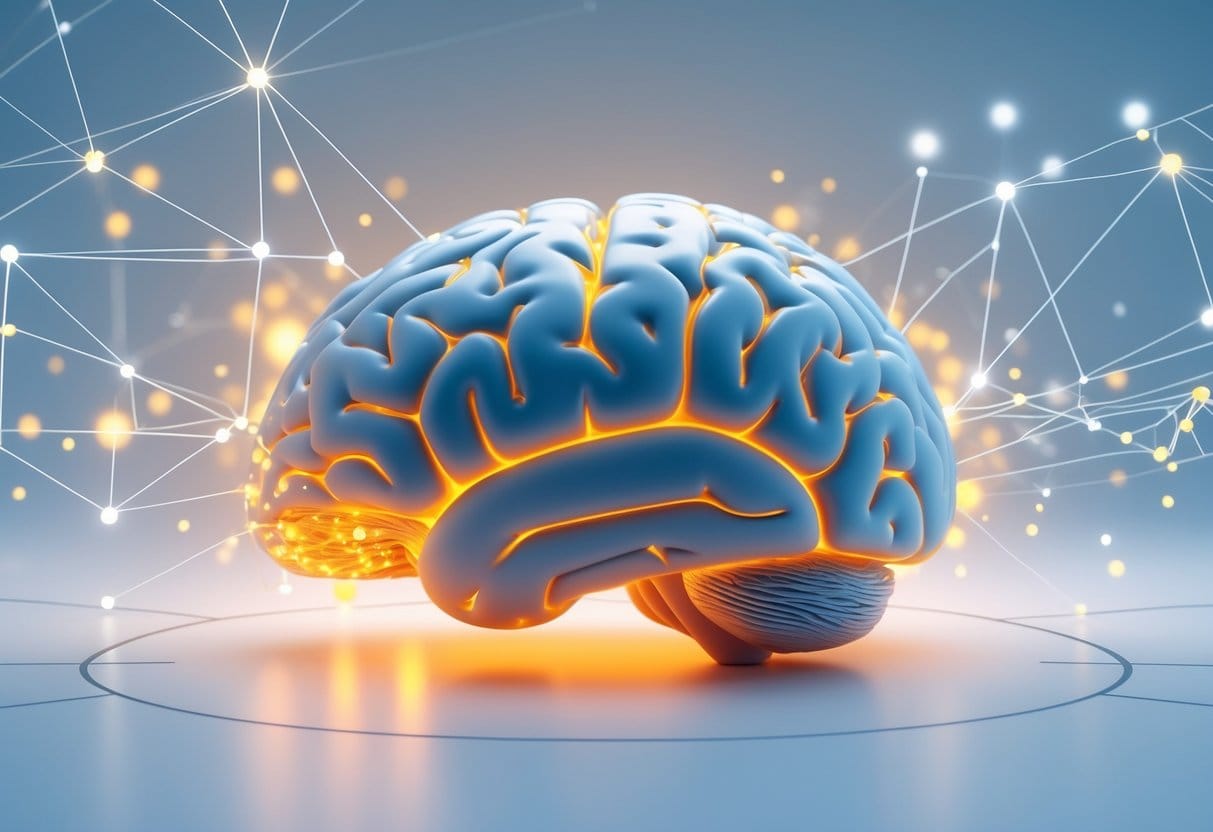
Brain regions like the nucleus accumbens and ventral striatum play central roles in the experience of joy and motivation. Neurotransmitters such as dopamine help drive your pursuit of rewarding activities.
Your brain’s reward circuitry connects your habits, emotions, and even memories to your sense of happiness. By learning how these systems function, you gain insight into how behaviors, routines, and even challenges like addiction can be influenced by your brain’s wiring.
Key Takeaways
- Your brain’s reward system is central to your experience of happiness.
- Neurotransmitters and brain regions drive pleasure and motivation.
- Understanding these systems can help build habits that support lasting well-being.
The Science of Happiness and the Brain
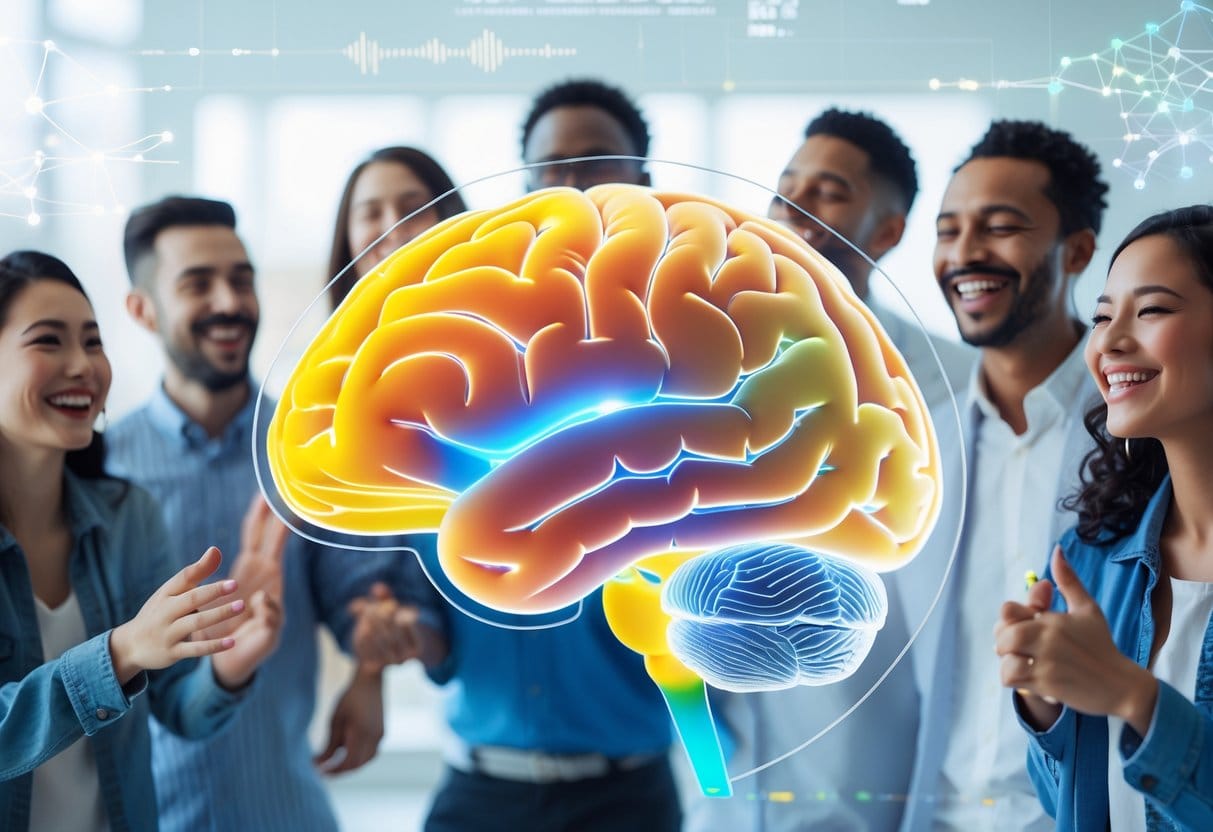
Your experience of happiness depends on how your brain processes rewards and regulates emotions. Understanding the brain’s role in happiness can help you make decisions that enhance your well-being in everyday life.
Defining Happiness in Neuroscientific Terms
In neuroscience, happiness is not simply a fleeting feeling. It is often defined as a combination of short-term pleasure (hedonia) and long-term satisfaction (eudaimonia).
Hedonia refers to the immediate sensory or emotional pleasure you might get from activities like eating, socializing, or listening to music. Eudaimonia, on the other hand, relates to a sense of purpose, meaning, or fulfillment.
Neuroscientists study happiness by examining brain chemicals, neural activity, and the connections between certain brain regions. Key brain areas involved include the prefrontal cortex, amygdala, and the ventral striatum.
How the Brain Generates Happiness
Your brain’s reward system, especially the release of neurotransmitters like dopamine and serotonin, plays a major role in happiness. When you experience a positive event, specific brain circuits activate and release these chemicals, producing pleasurable sensations.
- Dopamine: Associated with motivation, anticipation, and reward.
- Serotonin: Related to mood regulation and contentment.
- Oxytocin and endorphins: Linked to bonding and positive feelings.
The ventral tegmental area (VTA) and nucleus accumbens are central to your reward pathway. Connections with the prefrontal cortex help you evaluate and remember rewarding experiences.
Consistent stimulation of these pathways can reinforce habits that boost your mood.
The Role of Brain Activity in Positive Emotions
Brain activity patterns influence how you perceive and sustain positive emotions. Functional MRI studies show increased activation in regions like the left prefrontal cortex when people report feelings of joy.
The amygdala helps you process both positive and negative emotions, while the hippocampus is involved in emotional memory. Healthy brain activity in these regions often correlates with greater subjective well-being.
Evidence-based interventions, such as mindfulness, physical activity, and positive social interaction, are shown to induce favorable changes in brain activity. These practices can help you experience more frequent and consistent feelings of happiness.
Understanding Reward Systems in the Brain
Your brain contains networks that process rewards, drive motivation, and shape emotional experiences. Specific pathways and structures coordinate how you experience pleasure, set goals, and respond to positive stimuli.
Key Reward Pathways
The brain’s reward system is made up of interconnected neural circuits. The most notable pathways include the mesolimbic, mesocortical, and nigrostriatal routes.
These circuits link areas such as the ventral tegmental area (VTA), nucleus accumbens, and prefrontal cortex. Reward signals often begin when dopamine is released from the VTA.
This neurotransmitter acts as a chemical messenger, stimulating downstream regions and triggering the sensation of reward. For example, eating, social interaction, and achieving goals can all increase dopamine activity.
These pathways reinforce behaviors that are pleasurable or necessary for survival. As a result, you are more likely to seek out and repeat actions that activate them.
The Importance of the Mesolimbic Pathway
The mesolimbic pathway is central to the brain’s reward processing. It starts in the ventral tegmental area and projects to the nucleus accumbens, among other regions.
When you encounter something rewarding, dopamine neurons in this pathway increase activity. This response helps you learn to associate certain cues with pleasurable outcomes.
The mesolimbic pathway is also implicated in reinforcement learning, helping you adapt your actions based on positive or negative feedback. Strong dopamine bursts in the mesolimbic system occur not just with natural rewards like food or social contact but also with drugs or addictive behaviors.
Nucleus Accumbens and Motivation
The nucleus accumbens acts as a hub where reward and motivation signals converge. It processes input from the VTA and coordinates with the limbic system to influence your drive to pursue rewards.
High dopamine levels in the nucleus accumbens often correlate with motivation and pleasure. When you anticipate a positive outcome, this area becomes especially active, reinforcing the desire to act.
Damage or dysfunction in the nucleus accumbens can disrupt motivation, leading to conditions such as depression or anhedonia. In short, this region shapes your willingness to work for rewards, helping translate goals and desires into real behavior.
Functions of the Limbic System
The limbic system supports not just reward, but also emotion, memory, and learning. Key components include the amygdala, hippocampus, and parts of the prefrontal cortex.
This complex network coordinates your emotional responses and integrates them with reward signals. For example, memories of pleasurable or rewarding experiences are stored in the hippocampus and influence future decision-making.
The limbic system helps prioritize emotionally important outcomes, connecting feeling, memory, and motivation. A well-functioning limbic system enables you to adapt your behavior based on emotional significance and past rewards, shaping both happiness and long-term well-being.
The Role of Neurotransmitters in Happiness
Your experience of happiness is closely tied to specific chemical messengers in your brain. These neurotransmitters shape your mood, influence motivation, and regulate emotional stability.
Dopamine: The Motivation Molecule
Dopamine is often referred to as the “motivation molecule” due to its key role in driving reward-seeking behavior. When you achieve a personal goal or anticipate something pleasurable, your brain releases dopamine.
This causes positive feelings and encourages you to repeat activities that bring satisfaction. Dopamine activity is especially strong in the brain’s reward pathways, including areas like the nucleus accumbens.
Low dopamine levels may lead to symptoms such as low motivation, difficulty concentrating, or even depression. Activities like exercise, completing tasks, and learning new skills can boost dopamine production.
For many people, even small “wins” in daily life help maintain dopamine’s positive effects.
Serotonin and Emotional Balance
Serotonin helps regulate mood, emotional stability, and feelings of well-being. Unlike dopamine, which is closely linked to short bursts of pleasure, serotonin works over longer periods to balance your mood.
Adequate levels are essential for managing anxiety, maintaining consistent sleep patterns, and reducing irritability or sadness. A drop in serotonin can be associated with mood disorders such as depression or anxiety.
Sunlight exposure, physical activity, and certain foods (like those rich in tryptophan) can support healthy serotonin function. If serotonin levels fall too low, mood and emotional resilience often suffer.
Neurotransmitter Interactions and Well-Being
Dopamine and serotonin do not work alone; they interact with other neurotransmitters and each other to shape your overall sense of well-being. For example, endorphins—your body’s natural painkillers—often rise during exercise, supporting dopamine’s rewarding effects.
In some cases, if one neurotransmitter is out of balance, it may disrupt others, leading to noticeable changes in mood or behavior. Maintaining a healthy brain environment supports optimal neurotransmitter function.
Regular sleep, a balanced diet, and stress management all help keep these chemical signals working in your favor. You can influence your own happiness by supporting these systems through daily habits.
Pleasure, Euphoria, and the Brain’s Reward Circuit
Your brain’s reward system links pleasurable experiences with motivation and emotional responses. Several brain regions coordinate to create sensations like pleasure and euphoria, as well as the drive to repeat rewarding behaviors.
Experiencing Pleasure and Euphoria
Pleasure and euphoria involve the release of neurotransmitters in key areas of your brain. When you eat enjoyable food, listen to favorite music, or interact socially, your brain releases dopamine and other chemicals.
These signals travel through the mesocorticolimbic pathway, a major component of the reward circuit. This pathway starts in the ventral tegmental area (VTA) and projects to the nucleus accumbens, prefrontal cortex, and amygdala.
Key neurotransmitters include:
| Neurotransmitter | Function |
|---|---|
| Dopamine | Reinforcement, pleasure |
| Endorphins | Euphoria, pain reduction |
| Serotonin | Mood regulation |
Pleasurable feelings encourage you to repeat actions that support your well-being or social bonds. Overstimulation, though, can reduce sensitivity to reward, which contributes to addiction or mood disorders.
Striatum’s Role in Reward Processing
The striatum, located deep within your brain, is central to processing rewards and translating them into action. It receives input from the cortex and sends signals that help you predict, seek, and react to rewarding experiences.
Striatum functions include:
- Evaluating the intensity of pleasure
- Initiating goal-directed behavior
- Adjusting future actions based on outcomes
The nucleus accumbens, part of the ventral striatum, is especially critical for the feeling of reward and motivation. Dopamine surges here enhance both pleasure (“liking”) and motivation (“wanting”).
This balance between liking and wanting shapes habits, preferences, and your ability to experience happiness in daily life.
Motivation, Habits, and Lasting Happiness

Your brain’s reward system plays a direct role in shaping motivation and the habits that influence well-being. Dopamine activity helps reinforce behaviors, making it crucial for both short-term pleasure and sustained happiness.
From Reward to Motivation
Motivation is closely linked to reward pathways in your brain, especially those involving dopamine. When you experience something pleasurable or achieve a goal, dopamine is released in regions such as the ventral striatum.
This release produces a sense of satisfaction and encourages you to repeat those actions. The brain doesn’t just respond to actual rewards but also to the anticipation of them.
Anticipating positive outcomes can itself increase dopamine, driving you to take action and seek goals. Motivation, then, is a result of your reward system learning what brings you pleasure and urging you to pursue it further.
Key points:
- Dopamine boosts motivation by reinforcing rewarding behaviors.
- Anticipation of reward can be as motivating as the reward itself.
How Habits Shape Happiness
Habits are patterns of behavior that become automatic through repetition. Each time you repeat a positive behavior—such as exercise, social interaction, or meditation—your reward system releases dopamine, making it more likely you’ll continue the habit.
Not all habits are equal in supporting happiness. Evidence suggests that routines associated with long-term well-being activate brain areas involved in sustained pleasure rather than just immediate gratification.
Over time, healthy habits can build neural pathways that make it easier to experience lasting positive emotions.
Helpful practices:
- Establish routines that regularly engage your reward pathways.
- Focus on actions that bring both immediate and long-term satisfaction.
Addiction and the Hijacking of the Reward System
Addiction can reshape how your brain processes pleasure by altering natural reward pathways. Changes to neurotransmitters like dopamine play a central role in compulsive behaviors and cravings.
How Addiction Alters Brain Pathways
Addiction directly affects the brain’s reward system, primarily by increasing dopamine levels far beyond what you experience from natural rewards like food, social interaction, or exercise.
When you use addictive substances or engage in repeated addictive behaviors, the brain releases much more dopamine than it naturally would. This creates intense feelings of pleasure or euphoria.
Over time, the brain starts to associate these artificial surges with satisfaction, diminishing the impact of everyday rewards. Repeated exposure leads to physical changes in reward pathways.
These changes make you less sensitive to ordinary rewards and increase your drive for the addictive substance or behavior. The result is a cycle of craving, use, and diminished control.
The table below shows the difference in dopamine response:
| Experience | Dopamine Release (relative) |
|---|---|
| Eating | Moderate |
| Social interaction | Moderate |
| Exercise | Moderate |
| Addictive substance | High |
Balancing Reward and Well-Being
Balancing your reward system is challenging after addiction. Natural pleasures feel blunted, and seeking balance requires active attention to your brain’s health.
Restoring balance involves reintroducing natural rewards—such as engaging in fulfilling activities, reconnecting with supportive people, and developing healthy routines. These habits help retrain your dopamine system and slowly bring back the sense of pleasure from normal experiences.
Focusing on sleep, nutrition, and exercise can help stabilize your reward system. Reducing stress and avoiding triggers also play a major role.
In some cases, medical or psychological support is needed to repair reward pathways and address compulsive urges.
The Hippocampus: Memory’s Influence on Happiness
Your hippocampus plays an essential role in how you remember your life and shape emotional responses. How you recall past events can influence your current mood and general satisfaction with life.
The Link Between Memory and Positive Emotions
The hippocampus helps form, organize, and retrieve long-term memories. When you recall positive memories, your brain can reactivate the feelings linked to those events, further supporting well-being.
Research shows that frequent recall of pleasant memories can activate areas in your brain’s reward circuitry, such as the ventral striatum. This process can boost dopamine release and contribute to happiness.
People who naturally remember positive events more often tend to report greater life satisfaction. Training yourself to focus on positive experiences, sometimes called “positive reminiscence,” can strengthen this effect by reinforcing neural pathways associated with joy.
Frequently Asked Questions
Your brain’s reward system shapes how you feel pleasure, how you pursue goals, and how you adapt to life’s experiences. Key neurotransmitters, neural plasticity, and psychological processes all contribute to your overall experience of happiness.
How does the reward system in the brain influence our experience of happiness?
The reward system relies on structures like the ventral striatum and the release of dopamine to signal pleasure and reinforce certain behaviors. When you have positive experiences, these brain areas become active, motivating you to seek similar rewards.
This process connects enjoyable moments directly to your pursuit of happiness.
Can neuroscientific insights help improve overall well-being and joy?
Understanding how your reward system operates can help you adopt evidence-based habits that promote well-being, such as regular physical activity, social interaction, and mindfulness. Neuroscientific research guides new strategies to strengthen resilience and experience more frequent positive emotions in everyday life.
What role do neurotransmitters play in the feeling of happiness?
Neurotransmitters such as dopamine, serotonin, and endorphins play a direct role in regulating mood, motivation, and pleasure. Dopamine is especially important for driving motivation and pleasure, while serotonin helps stabilize mood.
Unbalanced neurotransmitter levels are often linked to changes in emotional well-being.
How does brain plasticity affect our capacity for happiness?
Your brain’s plasticity allows it to adapt and form new connections in response to experiences, practice, or therapy. This capability means you can train your brain toward greater happiness by consistently engaging in positive activities and thought patterns.
What are the psychological mechanisms underlying the pursuit of pleasure?
The pursuit of pleasure is shaped by learning, motivation, and reinforcement. When you experience something enjoyable, your brain learns to associate that event or behavior with positive feelings, increasing the likelihood of repeating it.
These mechanisms explain habits and desires linked to reward.
How can understanding the neuroscience of happiness impact mental health treatments?
Neuroscience provides insight into effective interventions for mood disorders and other mental health challenges.
Treatments can target specific brain pathways, neurotransmitter systems, and behaviors that influence happiness.
Ready to unlock happiness with neuroscience?
Explore these resources:
- Hardwiring Happiness: The New Brain Science of Contentment by Rick Hanson
- The How of Happiness: A Scientific Approach to Getting the Life Want by Sonja Lyubomirsky
- Happier: Learn the Secrets to Daily Joy and Lasting Fulfillment by Tal Ben-Shahar