
Table of Contents
Modern life often leaves you disconnected from nature. A simple Japanese practice called Shinrin-yoku offers a powerful remedy.
Forest bathing emerged in Japan during the 1980s as a response to rising stress levels and health issues caused by rapid urbanization.
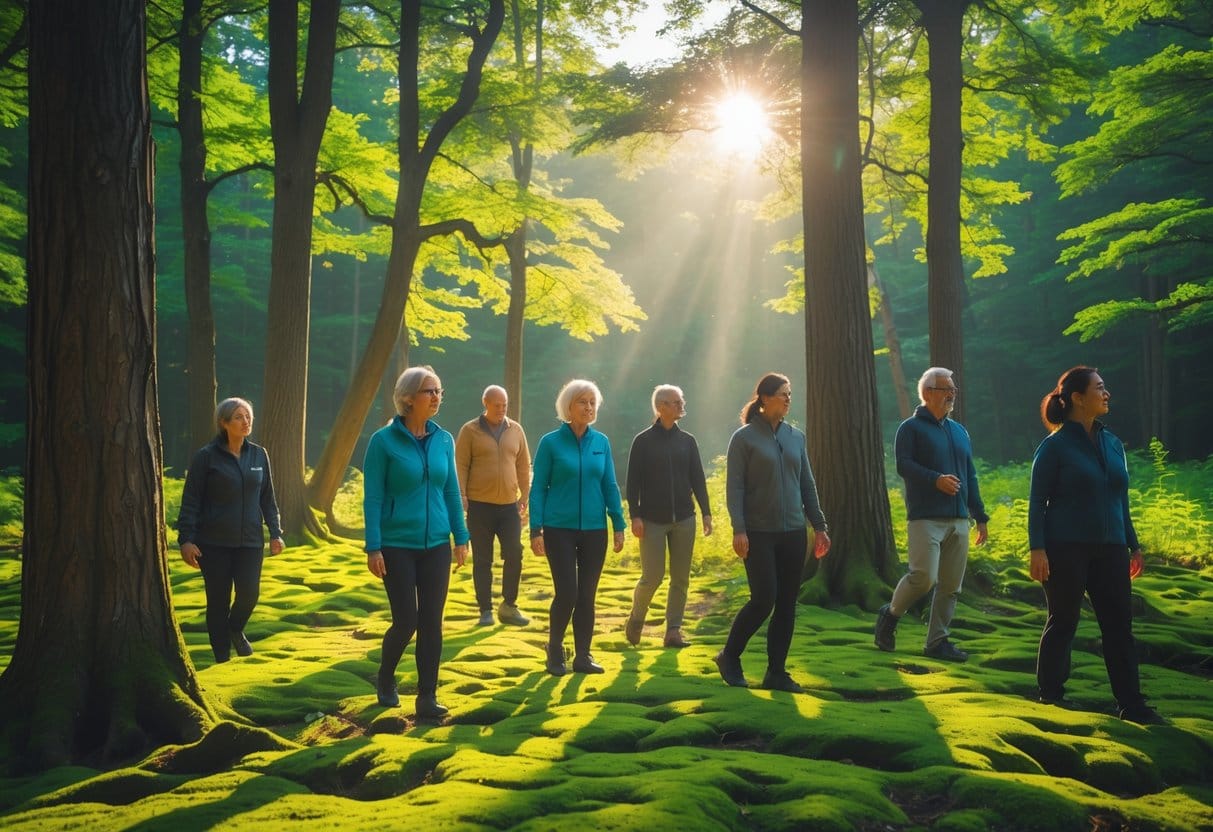
Forest bathing involves mindfully immersing yourself in a forest environment using all five senses. It has been scientifically proven to reduce stress hormones, lower blood pressure, and boost immune function.
Unlike hiking or exercising outdoors, this practice focuses on slow, deliberate engagement with your natural surroundings.
You don’t need to travel to remote wilderness areas to experience these benefits. Urban forests, parks, and even small wooded areas can provide the therapeutic effects of Shinrin-yoku when approached with the right mindset and techniques.
Key Takeaways
- Forest bathing is a mindful practice that uses all senses to connect with nature for proven health benefits.
- Scientific research demonstrates that Shinrin-yoku reduces stress and improves both mental and physical wellbeing.
- You can practice forest bathing in accessible locations like urban parks without needing wilderness areas.
What Is Forest Bathing (Shinrin-yoku)?
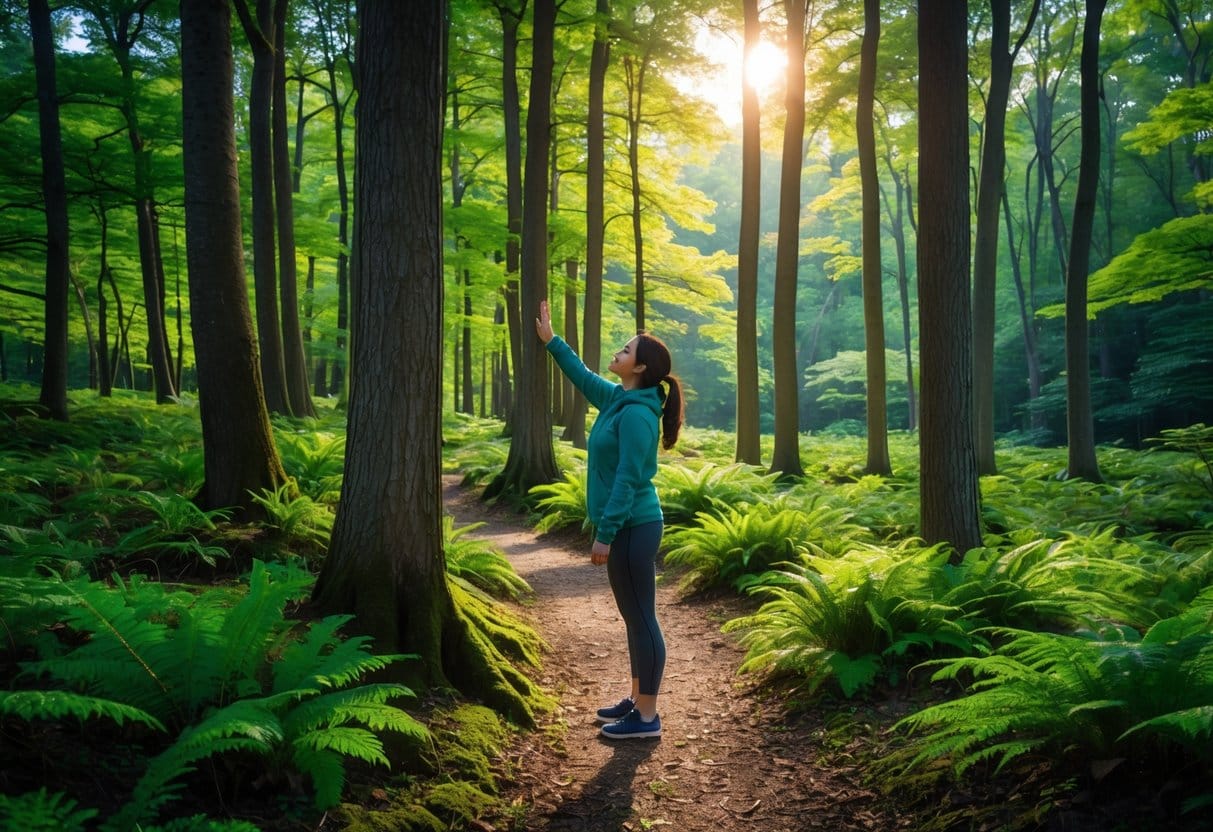
Forest bathing, known as shinrin-yoku in Japanese, is a therapeutic practice that involves mindfully immersing yourself in a natural forest environment. This Japanese practice originated in the 1980s and differs significantly from hiking or camping through its emphasis on slow, sensory engagement rather than physical activity.
Origins of Shinrin-yoku in Japan
The term shinrin-yoku combines two Japanese words: “shinrin” meaning forest and “yoku” meaning bath or bathing. Japanese health officials developed this concept in the 1980s as a response to rising stress levels and urbanization in modern society.
The practice emerged from Japan’s deep cultural connection to nature and traditional beliefs about the healing properties of forests. Japanese researchers began studying the physiological effects of spending time among trees, leading to formal recognition of forest bathing as a wellness practice.
Key aspects of the original Japanese approach:
- Slow, deliberate movement through forested areas
- Engagement of all five senses
- Focus on breathing and mindfulness
- Sessions typically lasting 2-4 hours
The Japanese government integrated shinrin-yoku into their national health program. They established designated forest therapy trails throughout Japan where people could practice this form of natural wellness.
Differences from Other Nature Activities
Forest bathing stands apart from traditional outdoor activities through its unique approach and intentions. Unlike hiking, you don’t focus on covering distance or reaching specific destinations.
Forest Bathing vs. Other Activities:
| Activity | Primary Focus | Pace | Duration |
|---|---|---|---|
| Forest Bathing | Sensory immersion | Very slow | 2-4 hours |
| Hiking | Distance/destination | Moderate to fast | Varies |
| Nature walking | Light exercise | Moderate | 30-60 minutes |
| Camping | Outdoor living | Variable | Days |
Your goal during shinrin-yoku is to “take in the forest atmosphere” rather than achieve physical fitness. You engage deliberately with your surroundings by touching tree bark, listening to bird sounds, and breathing deeply.
The practice emphasizes mindfulness over movement. You might spend extended periods sitting quietly or standing still to fully absorb the natural environment around you.
Global Spread of the Practice
Forest bathing gained international recognition as wellness enthusiasts and researchers discovered its health benefits. The practice spread from Japan to other countries in the 2000s and 2010s.
Countries embracing forest bathing include:
- South Korea (implementing similar programs)
- United States (certified forest therapy guides)
- United Kingdom (forest bathing retreats)
- Germany (forest medicine research)
- Canada (nature therapy programs)
Research institutions worldwide now study the physiological effects of spending time in natural environments. Studies show forest bathing can reduce stress hormones, lower blood pressure, and boost immune system function.
Many countries have adapted the Japanese practice to their local environments and cultures. Certified instructors now lead forest bathing sessions in various natural settings, from urban parks to wilderness areas.
The practice appeals to people seeking natural stress relief methods in increasingly urbanized societies. Forest therapy has become integrated into wellness programs, healthcare initiatives, and mental health treatments globally.
The Science and Benefits of Forest Bathing
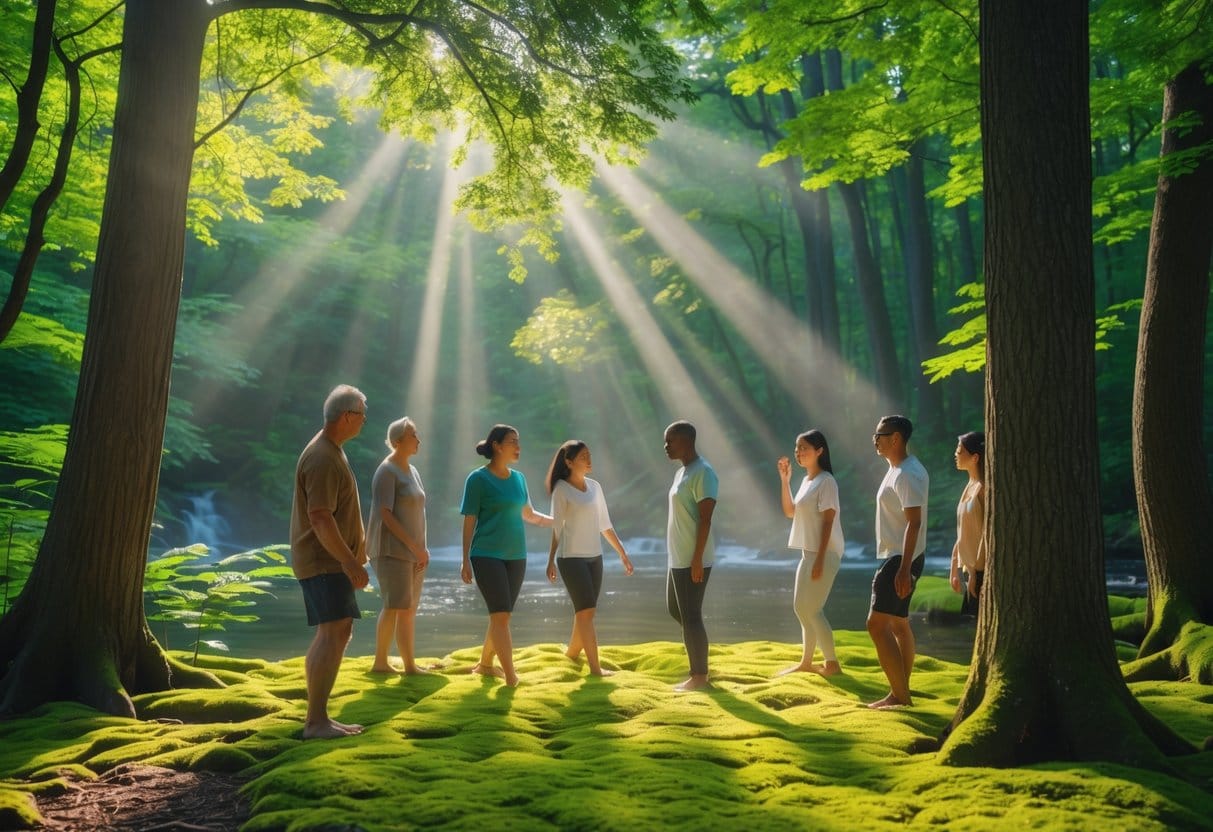
Scientific research demonstrates that forest bathing activates measurable physiological changes in your body, from reducing stress hormones to boosting immune cell activity. The practice works through multiple pathways, including exposure to beneficial plant compounds and the calming effects of natural environments on your nervous system.
Mental Health Benefits of Nature Immersion
Forest environments trigger significant reductions in cortisol levels, your body’s primary stress hormone. Studies show that spending 2-6 hours in forest settings decreases anxiety and depression symptoms more effectively than urban environments.
Your parasympathetic nervous system becomes more active during forest bathing. This shift promotes relaxation and helps regulate your emotional responses to daily stressors.
Key Mental Health Improvements:
- Reduced rumination and negative thought patterns
- Enhanced mood stability
- Improved attention span and cognitive function
- Lower rates of mental fatigue
The natural sounds, scents, and visual complexity of forests engage your senses in ways that promote mindfulness. This sensory engagement helps break cycles of overthinking and worry that contribute to anxiety disorders.
Research indicates that regular forest bathing sessions can reduce symptoms comparable to some pharmaceutical interventions for mild to moderate depression.
Boosting Immune Function and Physical Health
Forest bathing increases your production of natural killer (NK) cells by up to 50%. These immune cells play a crucial role in fighting infections and preventing tumor development.
Your white blood cell count rises significantly after forest exposure. This immune boost can last for up to 30 days following a single forest bathing session.
Physical Health Benefits Include:
- Lower blood pressure readings
- Reduced heart rate variability
- Improved sleep quality
- Enhanced cardiovascular function
The practice also decreases inflammatory markers in your bloodstream. Chronic inflammation links to numerous health conditions, making this reduction particularly valuable for long-term wellbeing.
Your body’s stress response system becomes more resilient with regular forest exposure. This improved stress tolerance translates to better physical health outcomes across multiple body systems.
The Role of Phytoncides in Wellness
Phytoncides are antimicrobial compounds that trees release to protect themselves from harmful organisms. When you breathe these volatile organic compounds, they provide direct health benefits to your respiratory and immune systems.
Different tree species produce varying types of phytoncides. Coniferous forests typically contain higher concentrations of these beneficial compounds compared to deciduous woodlands.
Primary Phytoncide Sources:
- Pine trees (alpha-pinene, beta-pinene)
- Cedar trees (hinokitiol)
- Oak trees (various terpenes)
These compounds enhance your NK cell activity and improve your body’s ability to fight pathogens. The concentration of phytoncides varies seasonally, with spring and summer months typically offering the highest levels.
Your exposure to phytoncides increases with deeper breathing during forest activities. This explains why mindful breathing exercises enhance the therapeutic effects of forest bathing sessions.
Mindfulness and Sensory Engagement in the Forest

Forest bathing transforms your relationship with nature through deliberate mindfulness practices that engage all five senses. The combination of mindful walking, sensory awareness, and periods of stillness creates deep connections with the forest environment.
Practicing Mindful Walking
Mindful walking in forest therapy differs from regular hiking by emphasizing awareness over distance. You move slowly and intentionally, focusing on each step rather than reaching a destination.
Begin by walking at half your normal pace. Feel your feet connecting with the earth beneath you.
Notice how the forest floor responds to your weight—the softness of moss, the crunch of leaves, or the firmness of packed dirt.
Key elements of mindful walking include:
- Taking 3-5 breaths before each step
- Pausing to observe your surroundings every few minutes
- Letting your body guide the direction rather than following predetermined paths
Pay attention to your breathing rhythm as you move. Allow it to synchronize naturally with your steps.
This creates a meditative state that enhances your connection to the forest environment.
Engaging All Five Senses
Your senses become doorways to deeper forest experiences when used consciously during shinrin-yoku practice. Each sense offers unique pathways to connect with nature’s healing properties.
Sight involves soft gazing rather than focused observation. Let your eyes rest on colors, patterns, and light filtering through leaves.
Notice subtle movements without trying to identify specific objects.
Sound encompasses both obvious and subtle forest voices. Listen for bird calls, rustling leaves, flowing water, and the quieter sounds of insects or settling wood.
Smell connects you directly to the forest’s chemical communications. Breathe deeply to detect pine resins, damp earth, flowering plants, or decomposing leaves.
Touch engages through direct contact with trees, rocks, or water. Feel different bark textures, temperature variations, and air movement on your skin.
Taste includes breathing forest air and occasionally sampling edible elements like berries or herbs when safely identified.
Deepening Awareness Through Stillness
Stillness amplifies the benefits of forest bathing by allowing deeper sensory processing and mental quieting. Find a comfortable spot to remain motionless for 10-20 minutes during your forest session.
Choose a location that feels naturally inviting—beside a large tree, near flowing water, or in a small clearing. Sit or stand comfortably without forcing any particular posture.
During stillness, your nervous system shifts into a more receptive state. Your awareness expands beyond your immediate surroundings to include subtler forest rhythms and patterns.
Focus on your breathing without controlling it. Notice how the forest environment influences your internal state.
Many practitioners report feeling synchronized with natural cycles during extended periods of stillness.
Stillness practices include:
- Tree meditation—sitting with your back against a tree trunk
- Sky gazing—looking up through the canopy
- Sound meditation—focusing entirely on forest sounds
How to Practice Forest Bathing: Step-by-Step Guide

Forest bathing requires minimal equipment but maximum attention to your surroundings. The practice focuses on slow, intentional engagement with nature through your five senses over a period of two to six hours.
Choosing Your Natural Setting
Look for forests with diverse tree species and minimal human interference. Old-growth forests offer the richest experience, but any wooded area with mature trees will work effectively.
Urban parks with substantial tree coverage can serve nature lovers who lack access to wilderness areas. The key is finding spaces where you can walk slowly without frequent interruptions from traffic or crowds.
Consider these essential factors when selecting your location:
- Tree density: Areas with thick canopy coverage
- Water features: Streams or ponds enhance the sensory experience
- Trail accessibility: Gentle paths that allow unhurried movement
- Safety: Well-maintained areas with clear boundaries
Visit potential locations beforehand to assess their suitability. Some guided forest bathing programs operate in established locations with proven therapeutic benefits.
Preparing for a Forest Bath
Remove or silence all electronic devices before entering your chosen forest area. Your phone should remain completely inaccessible throughout the entire forest bathing session.
Dress in comfortable, weather-appropriate clothing that allows unrestricted movement. Neutral colors help you blend with the natural environment without startling wildlife.
Bring only essential items:
- Water bottle
- Light snack if needed
- Small towel or mat for sitting
- Weather protection if required
Set your intention before beginning. Take three deep breaths and mentally release work concerns, schedules, and daily stressors.
Your goal is complete presence in the forest environment. Plan for a minimum two-hour session to experience the power of forest bathing fully.
Shorter periods provide limited therapeutic benefits according to research.
A Typical Forest Bathing Session
Begin by standing quietly at the forest entrance for several minutes. Notice the temperature difference, air quality changes, and initial sounds around you.
Walk extremely slowly, taking no more than ten steps per minute. Stop frequently to observe details you would normally overlook during regular hiking.
Engage each sense systematically:
- Sight: Study bark textures, leaf patterns, and light filtering through branches.
- Sound: Listen to bird calls, rustling leaves, and distant water.
- Touch: Feel different tree surfaces, moss, and soil temperatures.
- Smell: Breathe deeply to detect earth, wood, and plant aromas.
- Taste: Sample the forest air and notice its distinct flavor.
Spend 15-20 minutes in one small area before moving forward. Find a comfortable spot to sit and simply observe without any agenda or goal.
Practice gentle breathing exercises while maintaining awareness of your surroundings.
Urban Forest Bathing and Accessibility
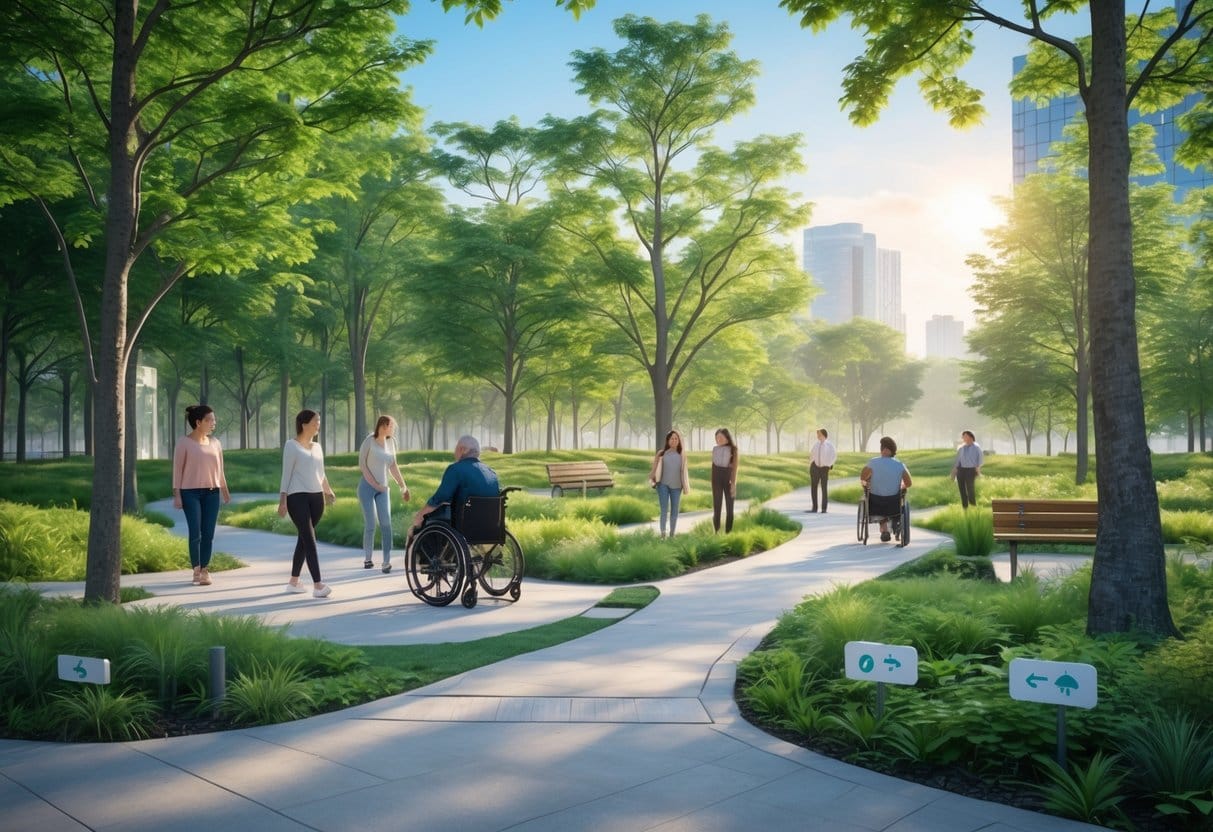
City dwellers can practice shinrin-yoku using local green oases, indoor nature elements, and flexible approaches that work within busy urban lifestyles.
These adaptations make the therapeutic benefits of forest bathing available regardless of location or physical limitations.
Green Oases in Cities and Urban Parks
Urban parks serve as accessible alternatives to traditional forest settings for practicing shinrin-yoku.
You can find quiet corners in city parks where trees create natural canopies and reduce urban noise.
Look for parks with diverse plant life, walking paths, and seating areas. Even small neighborhood parks with a few mature trees can provide sufficient natural elements for forest bathing practice.
Focus on engaging all your senses during urban forest bathing sessions. Notice the texture of tree bark, listen to rustling leaves, and breathe in the scent of grass or flowers.
Plan 15-30 minute sessions in these green spaces to experience measurable benefits. Early morning or late afternoon visits often provide quieter environments with better air quality.
Community gardens, botanical gardens, and tree-lined streets also function as green oases for urban forest bathing.
These spaces offer nature connection opportunities within walking distance of most city locations.
Bringing Nature Indoors
Indoor forest bathing adapts the practice for those with mobility limitations or limited access to outdoor spaces.
You can create a natural environment indoors using specific elements and techniques.
Essential indoor elements include:
- Live plants with varied textures and scents
- Natural materials like wood, stone, or bamboo
- Recorded forest sounds or nature audio
- Essential oils from trees like pine or cedar
Position yourself near windows with natural light while practicing indoor forest bathing.
Close your eyes and focus on the sensory elements you’ve arranged around your space.
Houseplants particularly effective for indoor forest bathing:
- Ferns for forest-like textures
- Snake plants for air purification
- Peace lilies for gentle fragrance
- Rubber trees for substantial green presence
This approach supports wellbeing for individuals who cannot regularly access outdoor green spaces due to physical limitations, weather conditions, or urban constraints.
Adapting Forest Bathing for Different Lifestyles
Busy schedules require flexible forest bathing approaches that fit into existing routines.
You can incorporate micro-sessions during lunch breaks, commutes, or evening walks.
Time-efficient adaptations include:
- 5-minute breathing exercises under street trees
- Mindful observation of plants during daily walks
- Weekend extended sessions in larger parks
- Early morning practice before work commitments
People with physical disabilities can practice forest bathing from wheelchairs, benches, or through window views.
The key lies in sensory engagement rather than physical movement through forest spaces.
Workplace adaptations involve brief visits to office courtyards or rooftop gardens.
You can practice shinrin-yoku principles by focusing mindfully on any available natural elements during work breaks.
Seasonal adjustments ensure year-round practice regardless of weather conditions.
Winter sessions might focus more on evergreen trees and bare branch patterns, while summer allows for fuller sensory engagement with flowering plants and dense foliage.
Forest Bathing for Community and Families
Forest bathing becomes more meaningful when shared with others.
Families can disconnect from digital devices and reconnect with each other through nature.
Children naturally respond to the sensory-rich forest environment.
Group experiences foster deeper community connections among wellness enthusiasts and nature lovers alike.
Introducing Shinrin-yoku to Children
Children adapt quickly to forest bathing because they naturally engage their senses when exploring outdoors.
Start with shorter 30-60 minute sessions to match their attention spans.
Encourage children to touch different tree barks, listen for bird calls, and notice how leaves smell after rain.
These activities help develop their observational skills while reducing screen time dependency.
Simple activities for children:
- Barefoot walking on soft forest floor
- Cloud watching through tree canopy
- Collecting natural objects like pinecones and smooth stones
- Deep breathing exercises using forest air
Make the experience playful rather than structured.
Allow them to lead the exploration at their own pace.
This approach builds their confidence in natural settings while establishing healthy outdoor habits early in life.
Group and Social Experiences
Shared forest bathing creates stronger bonds between participants.
Groups of 6-8 people work best for maintaining the quiet, contemplative atmosphere essential to shinrin-yoku.
Begin group sessions with silent walking periods lasting 15-20 minutes.
This helps everyone transition from daily stress into forest awareness together.
Effective group practices include:
- Synchronized breathing exercises
- Sharing sensory observations without judgment
- Partner tree meditation sessions
- Group mindfulness circles
Forest therapy guides can facilitate meaningful discussions about participants’ experiences.
Nature lovers often discover new perspectives when hearing others describe the same environment differently.
Corporate wellness programs increasingly use group forest bathing to reduce employee stress and improve team relationships.
These sessions provide shared experiences that strengthen workplace connections.
Incorporating Forest Therapy into Daily Life
Regular forest visits create lasting benefits for families committed to this wellness practice.
Schedule weekly forest outings during the same time slot to establish consistent routines.
Urban families can start with city parks containing mature trees before progressing to larger forest areas.
Even 30 minutes in tree-covered spaces provides measurable stress reduction.
Weekly scheduling options:
| Day | Duration | Location Type |
|---|---|---|
| Saturday morning | 2-3 hours | Large forest preserve |
| Wednesday evening | 45 minutes | Local wooded park |
| Sunday afternoon | 1-2 hours | Nature trail system |
Create “forest bathing kits” with comfortable shoes, water bottles, and small blankets for sitting meditation.
Having dedicated supplies makes spontaneous nature visits more likely.
Track your family’s mood and energy levels before and after forest sessions.
This documentation helps wellness enthusiasts recognize the cumulative benefits of consistent practice over time.
Integrating Forest Bathing into Your Wellness Journey
Making forest bathing a sustainable part of your natural wellness routine requires adapting the practice to your unique lifestyle.
Monitor how it affects your wellbeing over time.
Personalizing Your Practice
Your forest bathing practice should reflect your individual needs and circumstances.
Start by identifying the times when you feel most stressed or disconnected from nature.
Schedule Considerations:
- Morning sessions: 15-20 minutes before work to set a calm tone
- Lunch breaks: Quick forest visits during workdays
- Weekend immersions: Longer 1-2 hour sessions for deeper practice
Urban dwellers can adapt this Japanese wellness tradition by using local parks or botanical gardens.
Even small green spaces can provide benefits when approached mindfully.
Frequency Options:
- Daily micro-sessions (5-10 minutes)
- Weekly moderate sessions (30-60 minutes)
- Monthly intensive retreats (2+ hours)
Consider your physical limitations and preferences.
Some people benefit from silent contemplation, while others prefer gentle movement through forest paths.
Seasonal adjustments keep your practice fresh and accessible.
Winter sessions might focus on evergreen forests, while spring offers opportunities to observe new growth patterns.
Tracking Your Wellbeing Progress
Monitoring your wellbeing progress helps validate the power of forest bathing in your life.
Simple tracking methods can reveal patterns and improvements over time.
Key Metrics to Monitor:
- Sleep quality: Rate 1-10 before and after sessions
- Stress levels: Track daily using mood apps or journals
- Energy levels: Note changes in afternoon fatigue
- Focus duration: Measure attention span improvements
Keep a forest bathing journal with brief entries after each session.
Record your emotional state, physical sensations, and any notable observations about nature.
Weekly Progress Check:
| Metric | Before Practice | After 4 Weeks |
|---|---|---|
| Sleep Quality | Rating/10 | Rating/10 |
| Daily Stress | Rating/10 | Rating/10 |
| Energy Level | Rating/10 | Rating/10 |
Track physical symptoms like headaches, muscle tension, or digestive issues.
Many practitioners notice reductions in stress-related symptoms within 2-4 weeks of regular practice.
Frequently Asked Questions
Forest bathing raises many questions about its effectiveness, implementation, and accessibility for modern practitioners.
The following addresses common concerns about health benefits, practical integration methods, authentic techniques, beginner approaches, urban adaptations, and optimal session parameters.
What are the scientifically proven health benefits of forest bathing?
Research demonstrates that forest bathing boosts immune system function by increasing natural killer cell activity.
These cells help your body fight infections and diseases more effectively.
Studies show that spending 2-6 hours in forest environments reduces cortisol levels and blood pressure.
Your nervous system shifts from sympathetic to parasympathetic dominance, promoting relaxation and stress recovery.
Forest environments increase production of anti-cancer proteins in your body.
These protective compounds remain elevated for up to 30 days after a single forest bathing session.
Your mood improves through reduced anxiety and depression symptoms.
The practice also enhances focus, creativity, and overall mental clarity through exposure to natural environments.
How can I incorporate forest bathing into my regular wellness routine?
Schedule weekly forest visits of 2-3 hours to maintain consistent benefits.
Treat these sessions as essential appointments that you protect from other commitments.
Start with monthly longer sessions of 4-6 hours to establish a foundation.
Gradually increase frequency as you develop the practice and notice positive changes.
Combine forest bathing with existing outdoor activities like hiking or camping.
Transform these experiences by slowing down and engaging your senses more deliberately.
Create micro-sessions in local parks or green spaces during busy weeks.
Even 30-minute mindful nature experiences provide measurable stress reduction benefits.
What are the essential elements to consider for an authentic Shinrin-yoku experience?
Leave electronic devices behind or switch them to airplane mode.
Digital distractions prevent the deep sensory engagement that characterizes authentic forest bathing.
Move slowly and deliberately through the forest environment.
Rushing contradicts the core principle of mindful immersion in natural surroundings.
Engage all five senses actively throughout your session.
Touch tree bark, listen to bird sounds, breathe forest air deeply, and observe natural patterns.
Avoid goal-oriented activities like exercise or photography.
The practice focuses on being present rather than accomplishing tasks or documenting experiences.
Are there specific techniques or practices recommended for beginners in forest bathing?
Begin with guided breathing exercises to center your attention.
Take 10 deep breaths while standing quietly among trees to establish mindful awareness.
Practice the “sit spot” technique by finding a comfortable location and remaining still for 20 minutes.
This allows forest rhythms to influence your nervous system naturally.
Use sensory focusing exercises to deepen your connection.
Spend 5 minutes concentrating on each sense individually before integrating the experience.
Start with shorter 1-2 hour sessions to avoid overwhelm.
Gradually extend duration as you become more comfortable with slower-paced nature interaction.
Can forest bathing be beneficial in urban environments, or is it exclusive to natural forests?
Urban parks and green spaces provide forest bathing benefits when approached with proper technique.
The key lies in mindful engagement rather than specific location requirements.
Dense tree coverage enhances the experience but isn’t absolutely necessary.
Even small groves or botanical gardens can facilitate meaningful nature connection.
Urban environments may require more intentional focus to filter distractions.
Use noise-canceling techniques and selective attention to maximize natural elements.
Natural forests offer optimal conditions through higher concentrations of beneficial compounds.
However, any green space provides stress reduction and mood improvement benefits.
What is the ideal frequency and duration for forest bathing sessions to experience significant benefits?
Research indicates 2-6 hours per session produces measurable immune system improvements. This duration allows your body to fully transition into relaxation response patterns.
Weekly sessions maintain consistent stress reduction and mood enhancement. Monthly intensive sessions of 4-6 hours provide deeper physiological benefits.
Daily 15-30 minute nature connections supplement longer sessions effectively. These brief exposures help sustain the positive effects between formal forest bathing practices.
Seasonal intensive retreats of multiple consecutive days amplify long-term benefits. Consider quarterly weekend forest immersions for comprehensive wellness support.
Ready to transform your mental health with forest bathing?
Explore these resources:
- Forest Bathing: How Trees Can Help You Find Health and Happiness by Qing Li
- Your Brain on Nature: The Science of Nature’s Influence on Your Health, Happiness and Vitality by Eva M. Selhub and Alan C. Logan
- The Little Book of Hygge by Meik Wiking