Table of Contents
Modern wellness culture often promotes the idea that more is better—more supplements, more workouts, more self-care products, and more complex routines.
Yet this overwhelming approach to health frequently leaves people feeling stressed, confused, and burned out rather than truly well.
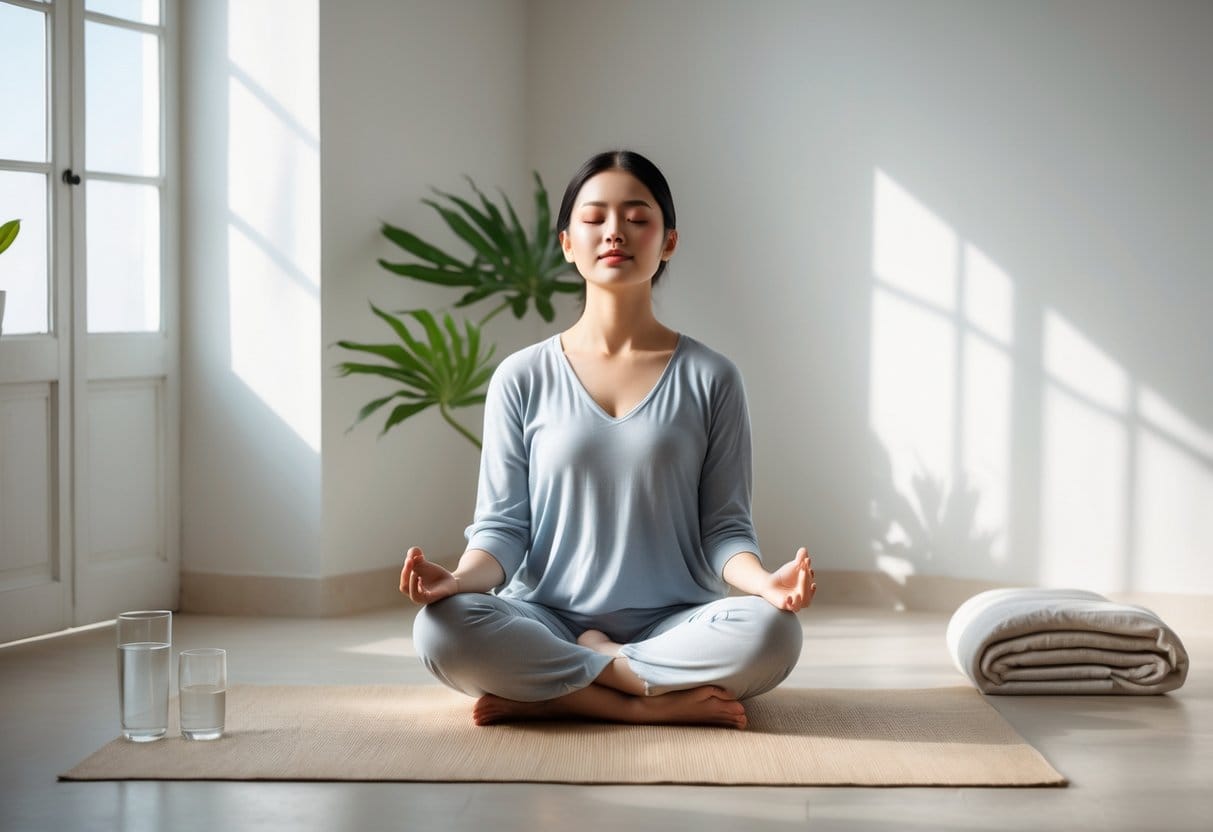
The minimalist approach to wellness flips this concept by proving that simplifying your health practices can actually lead to better physical and mental outcomes.
By focusing on fewer, high-quality habits and eliminating unnecessary complexity, you create space for what genuinely supports your well-being.
This counterintuitive strategy reduces decision fatigue while helping you build sustainable practices that stick.
When you strip away the excess and concentrate on foundational elements like quality sleep, mindful movement, and meaningful connections, you discover that doing less can indeed help you live more fully.
Key Takeaways
- Minimalist wellness prioritizes quality over quantity by focusing on essential practices that deliver the greatest health benefits
- Simplifying your wellness routine reduces decision fatigue and creates sustainable habits that support long-term well-being
- Decluttering both physical spaces and mental commitments creates room for rest, meaningful relationships, and mindful living
What Is the Minimalist Approach to Wellness?
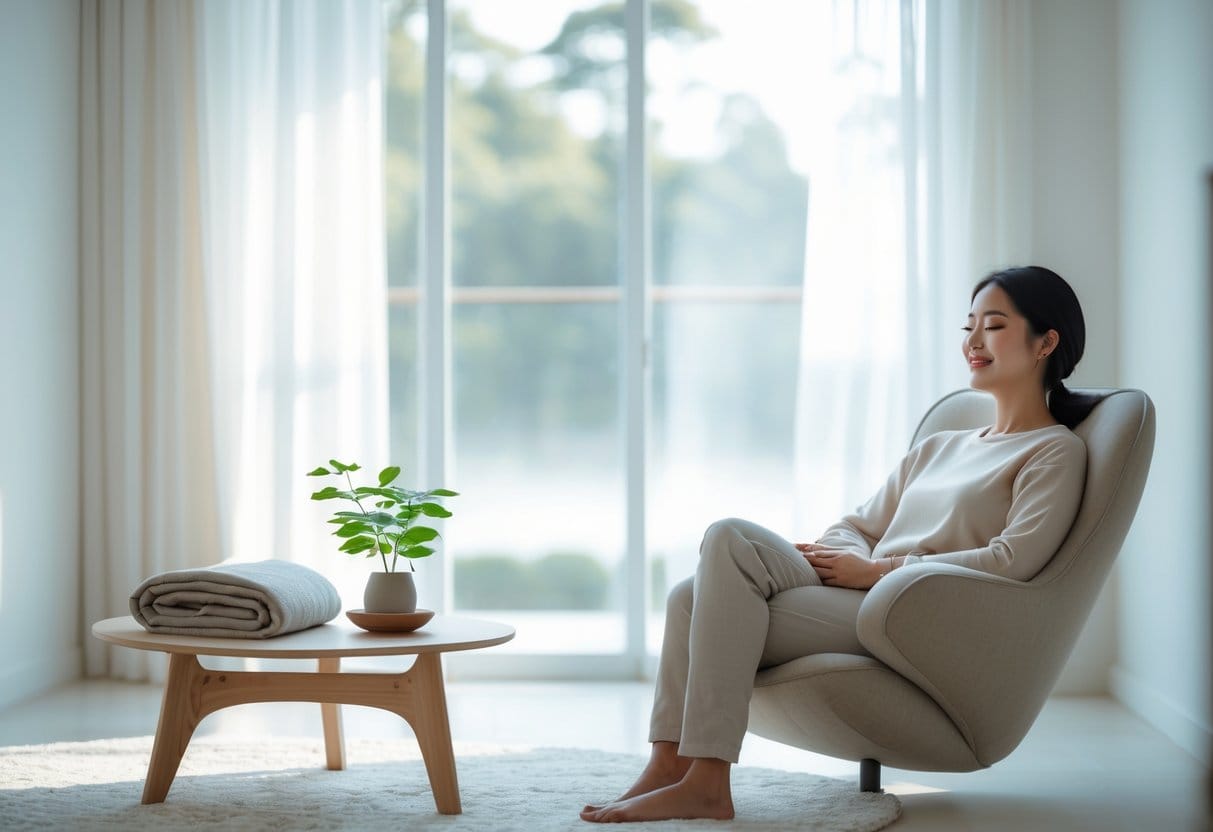
The minimalist approach to wellness centers on simplifying health routines by removing unnecessary complexity and focusing on essential practices that deliver meaningful results.
This philosophy emphasizes intentional choices, sustainable habits, and quality over quantity in your wellness journey.
Defining Minimalist Wellness
Minimalist wellness focuses on stripping away complicated health routines to concentrate on fundamental practices that truly impact your wellbeing.
You prioritize simple, sustainable habits over elaborate systems.
This approach eliminates the noise from overwhelming wellness advice.
Instead of juggling multiple supplements, complex workout routines, and restrictive diets, you identify core practices that align with your values and lifestyle.
Key characteristics include:
- Simple daily routines you can maintain long-term
- Focus on basic needs: movement, nutrition, sleep, and stress management
- Elimination of wellness products and practices that don’t serve you
- Quality over quantity in health choices
You design your wellness routine around what genuinely improves your physical and mental health.
This might mean choosing walking over expensive gym memberships or preparing simple whole foods instead of following complicated meal plans.
The goal is creating space for what matters most while reducing decision fatigue around health choices.
Origins and Philosophy of Minimalism
Minimalism emerged as a response to consumer culture’s emphasis on accumulation and complexity.
The movement began in art and design during the 1960s, emphasizing clean lines and essential elements.
Modern minimalism extends beyond possessions to encompass lifestyle choices.
You focus on experiences and relationships rather than material accumulation.
The core philosophy centers on intentionality.
Every item, commitment, and practice in your life should serve a clear purpose or bring genuine value.
Fundamental principles include:
- Intentional living – making conscious choices about what you include in your life
- Quality focus – choosing fewer, better options
- Freedom through reduction – creating mental and physical space by eliminating excess
Applied to wellness, these principles help you cut through marketing messages and trending health fads.
You develop discernment about which practices truly support your wellbeing versus those that simply create busy work.
Minimalism Versus Mainstream Wellness
Mainstream wellness often promotes complex systems requiring multiple products, apps, and time commitments.
You encounter endless supplement recommendations, detailed workout programs, and restrictive eating plans.
Minimalist wellness takes the opposite approach.
You identify the 20% of actions that produce 80% of your health results.
| Mainstream Wellness | Minimalist Wellness |
|---|---|
| Multiple supplements | Whole foods focus |
| Complex workout routines | Simple, consistent movement |
| Detailed tracking apps | Basic habit monitoring |
| Expensive equipment | Bodyweight exercises |
| Strict meal plans | Intuitive eating principles |
Traditional wellness culture can create pressure to optimize every aspect of health simultaneously.
This leads to decision fatigue and unsustainable practices.
Minimalist wellness recognizes that sustainable health comes from consistent basics rather than perfect execution of complex systems.
You choose practices you can maintain during busy periods, illness, or life changes.
The approach values progress over perfection and consistency over intensity.
Benefits of Doing Less for Well-Being
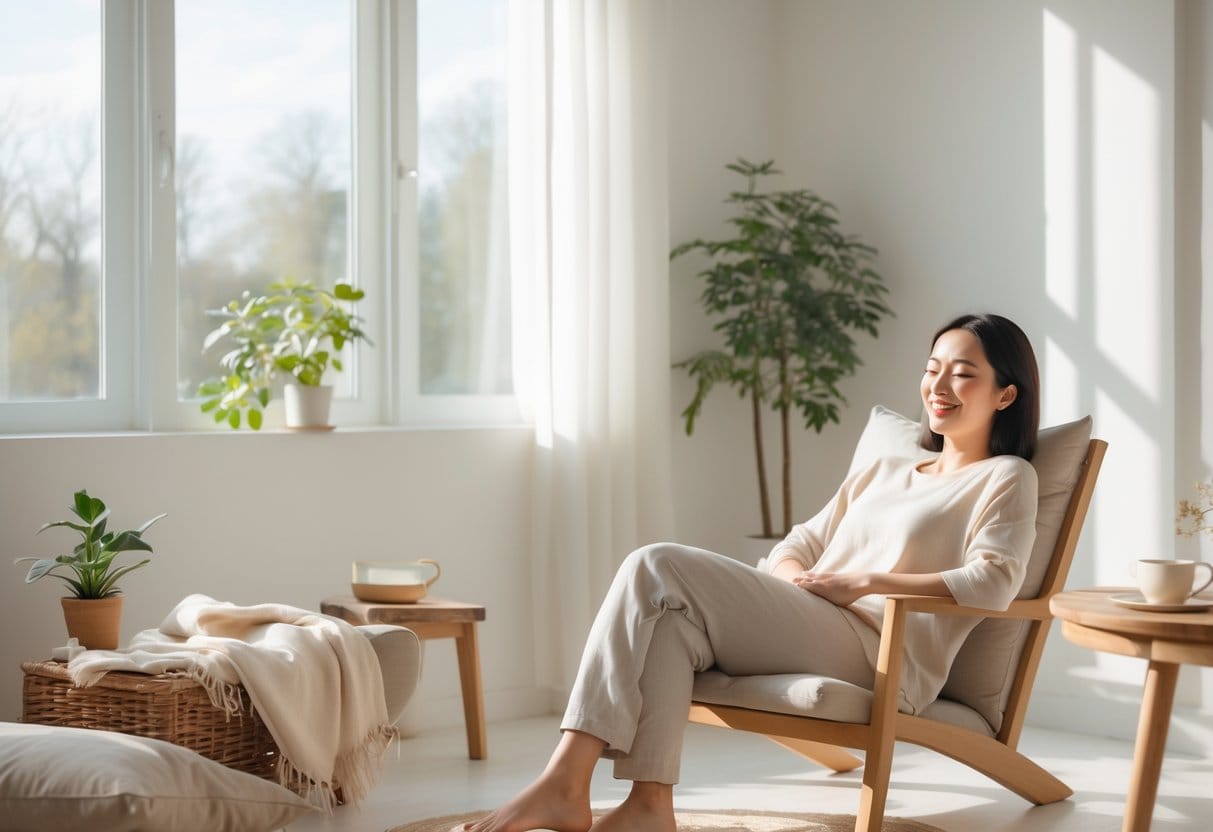
When you intentionally reduce activities and commitments, your body and mind respond with measurable improvements in stress levels, cognitive function, and emotional satisfaction.
These changes create a foundation for sustained mental health and contentment.
Reduced Stress and Anxiety
Your stress response system activates less frequently when you maintain fewer commitments.
This biological shift allows cortisol levels to normalize and your nervous system to spend more time in recovery mode.
Physical clutter in your environment directly correlates with elevated stress hormones.
When you remove excess items from your space, your brain processes fewer visual stimuli throughout the day.
Key stress reduction mechanisms:
- Fewer decisions to make daily
- Less visual overstimulation
- Reduced time pressure from packed schedules
Your anxiety often stems from feeling overwhelmed by choices and responsibilities.
A minimalist approach eliminates non-essential decisions, freeing mental energy for what matters most.
Sleep quality improves when you maintain simpler evening routines.
Your mind requires less time to wind down without multiple ongoing commitments competing for attention.
Improved Mental Clarity
Mental clarity emerges when you stop juggling elaborate routines and chasing multiple wellness trends simultaneously.
Your cognitive resources concentrate on fewer tasks, improving focus and decision-making ability.
Information overload decreases when you limit inputs from social media, news, and entertainment.
This reduction allows your brain to process existing information more thoroughly.
Cognitive benefits include:
- Enhanced concentration span
- Improved memory retention
- Clearer priority identification
- Reduced decision fatigue
Your attention becomes more selective and purposeful.
Instead of switching between numerous activities, you engage more deeply with chosen pursuits.
Problem-solving abilities strengthen when mental bandwidth isn’t divided across excessive commitments.
You can think through challenges more systematically and creatively.
Enhanced Contentment and Happiness
Contentment increases when you focus on fewer, more meaningful activities rather than pursuing multiple sources of stimulation.
This concentrated approach deepens satisfaction from chosen experiences.
Your happiness levels stabilize when external validation becomes less important.
Minimalist living reduces comparison opportunities with others’ possessions and achievements.
Quality relationships develop more easily when you have time and energy to invest meaningfully.
Fewer social obligations allow deeper connections with people who matter most to you.
Happiness factors that improve:
- Gratitude for what you have
- Appreciation of simple pleasures
- Stronger sense of purpose
- Reduced social comparison
Your overall well-being benefits from alignment between values and actions.
When you eliminate activities that don’t serve your core priorities, daily life feels more authentic and purposeful.
Decluttering for Mental and Physical Health

Physical clutter creates mental chaos, while adopting a minimalist mindset transforms your relationship with possessions.
The process involves developing new thinking patterns, systematically removing excess items, and addressing the emotional connections that keep unwanted objects in your space.
Minimalist Mindset for Decluttering
Your approach to decluttering determines your success more than the specific methods you use.
A minimalist mindset focuses on intentionality rather than deprivation.
Start by questioning each item’s purpose in your life.
Ask yourself whether it serves a function, brings joy, or aligns with your current goals.
Key mindset shifts include:
- Viewing possessions as tools, not trophies
- Prioritizing experiences over accumulation
- Recognizing that space itself has value
- Understanding that fewer choices reduce decision fatigue
Replace the scarcity mentality with abundance thinking.
You have enough when you choose what truly matters to you.
Focus on one small area at a time to build momentum.
A single drawer or shelf provides tangible progress without overwhelming your decision-making capacity.
Letting Go of Physical Clutter
Physical clutter affects your health by harboring dust, allergens, and creating cleaning challenges.
Systematic removal improves both air quality and mental clarity.
Create three sorting categories:
- Keep: Items used regularly or holding genuine value
- Donate: Functional items that no longer serve you
- Discard: Broken, expired, or unusable possessions
Begin with obvious items like expired products or broken objects.
These decisions require minimal emotional energy and create immediate visual improvement.
Address duplicates next.
You rarely need multiple versions of the same tool or product.
Tackle papers and documents digitally when possible.
Scan important records and recycle outdated paperwork.
Set specific timeframes for each decluttering session.
Twenty to thirty minutes prevents fatigue while maintaining focus.
Navigating Emotional Attachments to Possessions
Emotional attachments to objects often stem from fear, guilt, or nostalgia rather than practical needs.
Understanding these connections helps you make clearer decisions.
Common attachment patterns:
- Just-in-case items you might need someday
- Gifts that carry obligation rather than joy
- Sentimental objects representing past versions of yourself
- Expensive purchases you regret but feel guilty discarding
Take photos of sentimental items you cannot practically keep.
This preserves the memory without requiring physical storage space.
Set limits for nostalgic categories.
Choose three meaningful books instead of keeping an entire collection you will never reread.
Honor your past without letting it dominate your present space.
Your current needs matter more than hypothetical future scenarios or past investments.
Simplifying Your Wellness Routine
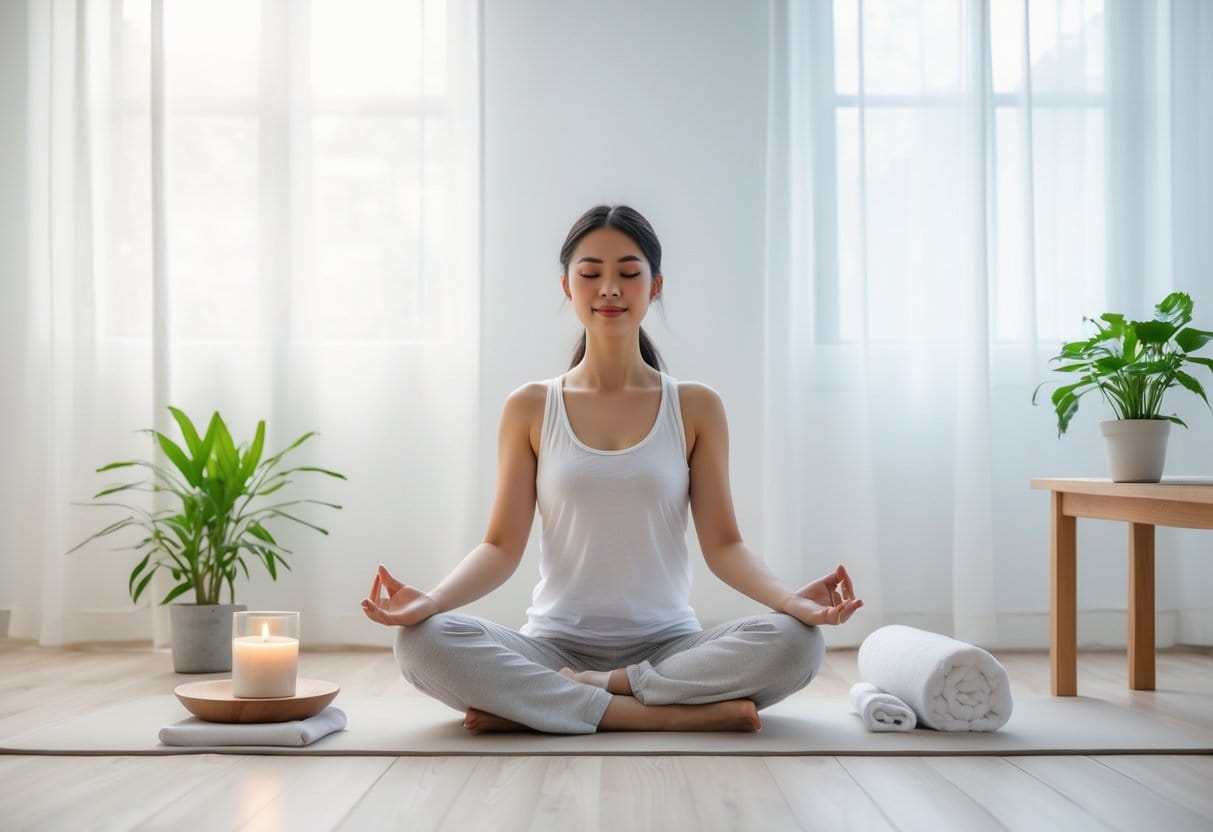
Effective wellness stems from identifying essential practices that deliver real results while eliminating unnecessary complexity.
Focus on streamlining daily self-care activities, selecting multi-purpose wellness tools, and establishing habits that naturally fit your lifestyle.
Streamlining Self-Care Practices
Start by auditing your current self-care routine and identify which activities genuinely improve your well-being.
Keep practices that serve multiple purposes or bring consistent benefits.
Essential Daily Practices:
- Morning routine: Choose 2-3 activities like meditation, stretching, or journaling
- Evening wind-down: Select calming activities such as reading or gentle skincare
- Physical movement: Pick one form of exercise you actually enjoy
Replace time-consuming beauty routines with simpler alternatives.
Use a gentle cleanser, moisturizer, and sunscreen instead of multiple skincare products.
Batch similar self-care activities together.
Prepare healthy meals while listening to podcasts for both nutrition and mental stimulation.
Focus on consistency over perfection.
A 10-minute daily walk provides more benefits than sporadic hour-long workouts.
Choosing Essential Wellness Tools and Supplements
Select wellness tools and supplements that address your specific needs rather than following every health trend.
Quality trumps quantity in building an effective wellness arsenal.
Multi-Purpose Wellness Tools:
| Tool | Primary Use | Secondary Benefits |
|---|---|---|
| Yoga mat | Exercise | Meditation space |
| Water bottle | Hydration tracking | Reduces plastic waste |
| Essential oils | Aromatherapy | Natural cleaning |
Choose supplements based on actual deficiencies identified through testing.
Most people benefit from vitamin D, omega-3s, and a quality multivitamin.
Invest in versatile equipment.
Resistance bands provide strength training while taking minimal storage space.
Avoid purchasing wellness products that duplicate existing functions.
Your smartphone can serve as a meditation timer, fitness tracker, and wellness journal.
Research supplement quality and choose reputable brands with third-party testing.
Store supplements properly to maintain effectiveness.
Building Sustainable Healthy Habits
Create healthy habits that integrate seamlessly into your existing schedule.
Sustainable wellness comes from small, consistent actions rather than dramatic lifestyle overhauls.
Habit Stacking Method:
- Attach new habits to established routines
- Take vitamins after brushing teeth
- Practice gratitude while drinking morning coffee
- Do stretches during TV commercial breaks
Start with micro-habits that require minimal effort.
Drink one extra glass of water or take three deep breaths before meals.
Design your environment to support healthy choices.
Keep fruits visible on the counter and place workout clothes near your bed.
Track only essential metrics that motivate you.
Monitor sleep quality, energy levels, or mood rather than multiple complex measurements.
Build flexibility into your wellness routine.
Create backup plans for busy days or travel situations to maintain consistency without perfection.
Prioritizing Rest, Recovery, and Quality Sleep

Quality sleep serves as the foundation for minimalist wellness, requiring just a few key changes to your environment and routine. Simple adjustments to your sleep space and consistent timing create the optimal conditions for restorative rest.
Creating a Tranquil Sleep Environment
Your bedroom should function as a dedicated sanctuary for rest. Remove electronic devices, work materials, and clutter that compete for your attention.
Temperature control makes the biggest difference in sleep quality. Keep your room between 65-68°F (18-20°C) for optimal comfort.
Lighting management requires blocking external light sources with blackout curtains or an eye mask. Remove LED lights from electronics or cover them with tape.
Sound optimization involves either eliminating noise or masking it consistently. Use earplugs, a white noise machine, or a fan to create steady background sound.
Your mattress and pillows should support your body without causing discomfort. Replace them when they no longer provide adequate support or comfort.
Establishing Consistent Sleep Patterns
Fixed sleep and wake times anchor your circadian rhythm. Go to bed and wake up at the same time every day, including weekends.
Your body adapts to routine within 2-3 weeks of consistent timing. This creates natural sleepiness at bedtime and easier morning wake-ups.
Pre-sleep activities should begin 30-60 minutes before bedtime. Read, take a warm bath, or practice gentle stretching instead of using screens.
Avoid caffeine after 2 PM and large meals within 3 hours of sleep. These substances interfere with your ability to fall asleep and reach deep sleep stages.
Morning light exposure within 30 minutes of waking reinforces your natural sleep-wake cycle. Step outside or sit near a bright window for 10-15 minutes.
Movement and Mindfulness for Minimalist Wellness
Physical activity and mental awareness form the foundation of minimalist wellness through simple, sustainable practices. Gentle movement like yoga and dancing creates joy without complexity, while basic meditation techniques build mental strength.
Joyful Movement: Yoga, Dancing, and Stretching
Movement in minimalist wellness prioritizes enjoyment over intensity. You need only 15-20 minutes daily to experience meaningful benefits.
Yoga offers complete body engagement with minimal equipment requirements. A basic mat provides everything necessary for stretching, strengthening, and balancing.
Simple poses like downward dog, child’s pose, and warrior one address multiple muscle groups simultaneously. Dancing transforms exercise into celebration.
You can dance anywhere without special gear or training. Whether following online videos or moving to favorite songs, dancing elevates mood while improving cardiovascular health and coordination.
Stretching requires the least preparation yet delivers significant results. Morning stretches awaken your body gently, while evening routines promote better sleep.
Focus on major muscle groups: neck, shoulders, back, hips, and legs.
These activities share common advantages:
- No gym membership needed
- Adaptable to any fitness level
- Immediate stress relief
- Improved flexibility and strength
Choose one primary activity and practice consistently.
Mindfulness and Meditation for Mental Resilience
Mental wellness through minimalist practices centers on present-moment awareness. Simple techniques yield profound results without extensive time commitments.
Basic meditation starts with five-minute sessions. Sit comfortably, close your eyes, and focus on breathing.
When thoughts arise, acknowledge them without judgment and return attention to your breath. Consistency matters more than duration.
Mindfulness integrates into daily activities seamlessly. Practice mindful eating by chewing slowly and noticing flavors.
During walks, observe surroundings without rushing toward destinations. These micro-practices accumulate significant benefits.
Breathing exercises provide instant stress relief. The 4-7-8 technique involves inhaling for four counts, holding for seven, and exhaling for eight.
This activates your body’s relaxation response naturally.
| Practice | Time Required | Primary Benefit |
|---|---|---|
| Breathing exercises | 2-3 minutes | Immediate calm |
| Meditation | 5-10 minutes | Long-term focus |
| Daily mindfulness | Throughout day | Present awareness |
Start with breathing exercises, then gradually incorporate meditation and mindfulness into existing routines.
Minimalist Nutrition and Eating Habits
Minimalist nutrition centers on choosing whole, unprocessed foods while practicing mindful eating habits. This approach reduces decision fatigue and creates a more intentional relationship with food.
Simplifying Food Choices
A minimalist approach to nutrition focuses on quality over quantity in food selection. You can build meals around a foundation of whole foods like vegetables, fruits, lean proteins, and whole grains.
Start with a core list of 15-20 versatile ingredients you enjoy. These should include proteins like eggs, chicken, or beans, vegetables that work in multiple dishes, and grains like rice or oats.
Meal planning becomes effortless when you rotate these core ingredients. A single protein can become three different meals with simple preparation changes.
Choose foods that serve multiple purposes. Greek yogurt works as breakfast, snack, or cooking ingredient.
Sweet potatoes function as side dishes, main courses, or breakfast options. Shopping becomes faster when you stick to the perimeter of grocery stores.
Fresh produce, dairy, and proteins require less processing and fewer additives than packaged foods.
Practicing Gratitude and Mindful Eating
Mindful eating transforms meals from rushed activities into intentional experiences. You slow down to notice flavors, textures, and hunger cues your body provides.
Remove distractions like phones or television during meals. Focus entirely on the food in front of you and the eating process.
Practice gratitude before eating by acknowledging where your food came from. Consider the farmers, processors, and others who brought this nutrition to your table.
Eat slowly and chew thoroughly. This helps your digestive system and allows you to recognize fullness signals before overeating.
Pay attention to how different foods affect your energy and mood. Your body provides valuable feedback about which foods serve you best.
Create simple eating rituals like taking three deep breaths before meals or setting your fork down between bites.
Reducing Decision Fatigue in Daily Life
Decision fatigue occurs when your mental energy becomes depleted from making too many choices throughout the day. Creating structured routines and using journaling as a clarity tool can significantly reduce the number of decisions you need to make while maintaining focus on what matters most.
Creating Intentional Routines
Building consistent daily routines eliminates countless micro-decisions that drain your mental resources. When you establish set patterns for morning activities, meal choices, and evening rituals, you free up cognitive space for more important decisions.
Start with your morning routine by selecting specific times for waking up, exercising, and eating breakfast. Choose the same healthy breakfast options for the entire week rather than deciding each morning.
Essential routine areas to standardize:
- Morning and evening schedules
- Meal planning and preparation
- Work start and end times
- Exercise timing and activities
Create simple rules for common decisions. For example, always check email at 9 AM and 3 PM only, or designate Sundays for meal prep and planning the upcoming week.
Your routines should align with your wellness goals while reducing the mental load of constant choice-making.
Journaling for Clarity and Focus
Journaling provides a systematic approach to processing thoughts and reducing the mental clutter that contributes to decision fatigue. Regular writing helps you identify patterns, priorities, and values that guide future choices.
Use a simple daily format that takes 5-10 minutes each morning or evening. Write about your current priorities, upcoming decisions, and how you want to spend your energy.
Effective journaling prompts for decision clarity:
- What are my top three priorities today?
- Which decisions can I eliminate or automate?
- What choices align with my wellness goals?
- Where did I waste mental energy on unimportant decisions?
Weekly reviews help you identify recurring decision points that could benefit from automation or routine. Notice which types of choices consistently drain your energy and develop strategies to minimize them.
Keep your journaling practice simple and consistent.
Focusing on Relationships and Meaningful Experiences
Minimalism redirects your attention from accumulating material possessions toward building deeper connections and creating memorable experiences that enrich your life. This shift allows you to invest your time and energy in what truly matters for long-term well-being.
Valuing Experiences Over Possessions
You can transform your approach to fulfillment by prioritizing experiences over material purchases. Research consistently shows that experiences provide longer-lasting happiness than physical items.
Experiences offer several advantages:
- Create lasting memories that appreciate over time
- Foster personal growth and learning opportunities
- Connect you with others through shared moments
- Take up no physical space in your home
When you choose a weekend hiking trip over a new gadget, you invest in memories that will remain valuable for years. These experiences often become conversation starters and strengthen your relationships with others who share similar interests.
Your spending patterns naturally shift when you focus on experiences. Instead of browsing shopping websites, you might research local events, plan travel adventures, or book classes that teach new skills.
Nurturing Healthy Relationships
Quality relationships require your focused attention and intentional effort. Minimalism helps you identify which relationships deserve your time and energy while reducing distractions that prevent meaningful connections.
You can strengthen your relationships by:
- Limiting your social circle to people who genuinely support your growth
- Creating device-free time for deeper conversations
- Scheduling regular one-on-one activities with important people in your life
Removing toxic relationships becomes easier when you apply minimalist principles. You recognize that maintaining superficial connections drains energy better spent on nurturing meaningful bonds.
Your home environment also supports better relationships when you eliminate clutter and create spaces designed for conversation and shared activities. A clean, organized living space encourages guests to visit and stay longer, naturally fostering deeper connections.
Frequently Asked Questions
Minimalist wellness involves specific strategies for decluttering your physical space, curating essential items, and establishing sustainable daily habits. These practical steps help reduce decision fatigue while creating more time for meaningful activities and personal growth.
What are the first steps towards adopting a minimalist lifestyle?
Start with one small area of your home, such as a single drawer or closet shelf. Remove everything and only put back items you have used in the past three months.
Apply the 30-day rule before making new purchases. Wait thirty days before buying non-essential items to determine if you truly need them.
Focus on eliminating duplicate items first. Keep only the best version of tools, clothes, or household items that serve the same purpose.
Can a minimalist lifestyle contribute to improved wellness and how?
Minimalism reduces decision fatigue by limiting your daily choices. Fewer possessions mean less time spent deciding what to wear, use, or maintain.
A decluttered environment supports better mental clarity and focus. Physical clutter creates visual distractions that can increase stress and anxiety levels.
Minimalism creates more time for wellness activities. With fewer possessions to manage, you can dedicate time to exercise, meditation, or meaningful relationships.
What are essential items for someone interested in minimalist living?
Keep one high-quality version of each necessary item rather than multiple cheaper alternatives. This applies to kitchen tools, clothing, and personal care products.
Focus on multi-purpose items that serve several functions. A quality knife can replace multiple kitchen gadgets, and neutral clothing pieces can create various outfit combinations.
Prioritize items that directly support your health and daily routines. Essential categories include basic cooking tools, exercise equipment you actually use, and comfortable bedding.
How can one maintain a minimalist wardrobe without compromising on style?
Choose a consistent color palette of 2-3 neutral colors that mix and match easily. This creates cohesion while requiring fewer pieces overall.
Invest in quality basics rather than trendy pieces. Well-made jeans, white shirts, and classic outerwear provide the foundation for multiple outfits.
Follow the one-in-one-out rule when adding new clothing. For every new item you bring in, donate or discard one existing piece.
What strategies can someone use to declutter their home effectively?
Work in 15-minute sessions to avoid overwhelm. Set a timer and focus on one specific area during each session.
Use the four-box method: keep, donate, sell, and trash. Make immediate decisions about each item rather than creating a “maybe” pile.
Start with items that have clear expiration dates or obvious damage. This builds momentum before tackling more emotionally attached possessions.
Are there specific habits that help sustain a minimalist approach to daily living?
Establish a daily reset routine where you return items to their designated places. This prevents clutter from accumulating over time.
Practice mindful consumption by questioning each purchase. Ask whether the item adds genuine value to your life or simply fills a temporary want.
Schedule monthly reviews of your possessions to identify items you no longer use. Regular maintenance helps keep clutter at bay.
Ready to simplify your routine and transform your life?
Explore these resources:
- Essentialism: The Disciplined Pursuit of Less by Greg McKeown
- Digital Minimalism: Choosing a Focused Life in a Noisy World by Cal Newport
- The Joy of Less: A Minimalist Guide to Declutter, Organize, and Simplify by Francine Jay
- Goodbye, Things by Fumio Sasaki